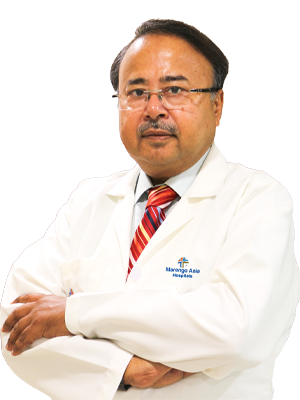
Clinical Director Dr. Indrajit Agrawal has 25 years of experience in rheumatology and has joined Marengo Asia Hospitals, Gurugram, to build and lead the hospital’s rheumatology service. Long-standing joint pain, unexplained rashes, dry eyes, and a body that feels tired all the time are easy to blame on age or stress, and many people go years before anyone links them together. Rheumatologist Dr. Indrajit Agrawal in Gurugram looks at the whole picture, explains what the tests do and do not show, and agrees on a treatment plan with you in plain words.
Qualifications
- MBBS, Jawaharlal Institute of Postgraduate Medical Education and Research (JIPMER), Pondicherry
- MD (Medicine)
- MRCP (UK)
Areas of Expertise
- Rheumatoid Arthritis
- Ankylosing Spondylitis
- Psoriatic Arthritis
- Systemic Lupus Erythematosus (SLE)
- Sjogren’s Disease
- Inflammatory Myositis
- Connective Tissue Diseases
- Vasculitis
When Pain Points to the Immune System
Most aches settle with rest, but some come from the body’s own defences attacking the joints, the skin, the eyes, the muscles or the blood vessels. These autoimmune conditions can start at any age, often in young adults, and they can be missed for a long time because the symptoms come and go. If you are looking for a Rheumatologist in Gurugram, good reasons to go include joint swelling that lasts more than a few weeks, morning stiffness, back pain in a young person that eases with movement, or a mix of symptoms that no one has been able to explain.
What Your First Visit Involves
A consultation with Dr. Indrajit Agrawal begins with a detailed conversation about your symptoms, when they started, which joints are affected, how long the morning stiffness lasts, any rash, mouth ulcers, dry eyes or mouth, fever or tiredness, your family history and the medicines you take. He will examine your joints, spine, skin and muscles. Blood tests, X-rays, ultrasound or MRI may be suggested, since no single test confirms most of these conditions. A written timeline of your symptoms and all earlier reports are very useful.
Swollen Hands and Stiff Mornings
Rheumatoid arthritis typically causes pain, swelling, and stiffness in the small joints of the hands and feet, usually on both sides, with morning stiffness that lasts more than half an hour. Tiredness and a low fever can come with it. Starting treatment early can slow joint damage, so do not wait if swelling lasts more than six weeks. Treatment needs regular blood tests, so keep your appointments, take medicines exactly as prescribed, and never stop them on your own.
Back Pain That Is Not Strain
Ankylosing spondylitis mainly affects the spine and the joints at the base of the spine. It often begins before the age of 45, with back pain that lasts more than three months, is worse in the morning or after rest, wakes you in the second half of the night, and eases with movement. It can also involve the heels, the eyes, and the gut. Exercise and stretching are a core part of care, and treatment can control inflammation and protect movement when started early.
Joint Pain With Skin or Nail Changes
Some people with psoriasis, the scaly skin condition, develop psoriatic arthritis. It can cause swollen joints, a swollen “sausage” finger or toe, heel pain, back stiffness, and pitting of the nails. Joint symptoms sometimes appear before the skin changes, and the skin patches may be mild. If you have psoriasis, tell your doctor about any joint pain. Treatment looks after both joints and skin, and your dermatologist and rheumatologist may work together.
Lupus and Its Many Faces
Systemic lupus erythematosus (SLE) can affect the skin, joints, kidneys, blood, lungs, heart, and brain, and it is more common in young women. Signs include a rash on the face, sensitivity to sun, joint pain, mouth ulcers, hair loss, fever, tiredness, swelling of the feet, and foamy urine. Because it looks like many other conditions, diagnosis takes a careful history, examination, and blood and urine tests. Treatment is long-term, so take medicines as prescribed and protect your skin from the sun. Talk to your doctor before planning a pregnancy.
Dry Eyes, Dry Mouth and Sjogren’s Disease
Sjogren’s disease is an autoimmune condition that dries out the glands that make tears and saliva. It causes gritty, burning eyes, a dry mouth, difficulty swallowing dry food, frequent dental decay, and sometimes joint pain, tiredness, or swollen glands. It can also affect the lungs, kidneys, and nerves in some people. Artificial tears, sipping water, good dental care, and regular check-ups help with symptoms. Tell your doctor if dryness is constant, since it has other causes too, including some medicines.
Weak Muscles and Inflammatory Myositis
Inflammatory myositis is inflammation of the muscles. It causes weakness, especially in the thighs and shoulders, which makes it hard to climb stairs, get up from a chair, or lift your arms. Some forms also cause skin rashes, difficulty swallowing, breathlessness, or joint pain. Weakness is different from tiredness or pain, so tell your doctor exactly which tasks have become hard. Diagnosis can need blood tests, a nerve and muscle test, an MRI, or a muscle biopsy, and treatment needs close follow-up with guided exercise.
Connective Tissue Diseases in Plain Words
Connective tissue diseases are a group of conditions in which the body’s supporting tissues are attacked by the immune system. They include lupus, scleroderma (hardening and tightening of the skin), mixed connective tissue disease, and others, and they can affect several organs at once. Signs include fingers that turn white or blue in the cold, thickened skin, joint pain, breathlessness, and swallowing difficulty. These conditions overlap, so careful testing and follow-up matter, and treatment is planned for each person.
Inflamed Blood Vessels
Vasculitis means inflammation of the blood vessels, which can reduce blood flow to the organs they supply. Symptoms depend on which vessels are involved and may include fever, weight loss, skin spots or ulcers, numbness or weakness, abdominal pain, cough, blood in the urine, or sudden vision problems. Some forms are serious and need prompt treatment. Seek medical help early for unexplained fever with new rashes, numbness, weakness, or red or blood-stained urine.
Medicines That Calm the Immune System
Many rheumatic conditions are treated with medicines that settle an overactive immune system. They need regular blood tests to watch for side effects, and some raise the risk of infection. Take them exactly as prescribed, keep your vaccinations up to date as advised, and report fever, a new cough, burning urine, or any infection promptly. Never stop medicines suddenly, and tell any other doctor or dentist what you take. Before a pregnancy or a major operation, speak to your rheumatologist.
Daily Habits That Protect You
Stay active within your comfort, since exercise is as important as tablets in many conditions. Eat a balanced diet, keep a healthy weight, and stop smoking, which worsens several rheumatic diseases. Protect your skin from the sun if you have lupus. Pace your day, rest when you need to, and ask for help with tasks that strain your joints. Be careful with supplements and herbal products of unknown content, and tell your doctor about everything you take.
Living With a Long-Term Condition
Rheumatic diseases usually need care over many years, with good phases and flare-ups. Keep a diary of symptoms and flares, bring it to each visit, and keep up with regular blood tests. Low mood and tiredness are common and treatable, so talk about them. Support from family helps a great deal, and support groups can offer practical advice. If you were treated by Dr. Indrajit Agrawal, keep every follow-up visit, since adjusting treatment over time is part of the care.
Building a Rheumatology Service
Joining Marengo Asia Hospitals as Clinical Director, he has taken on the task of developing the hospital’s rheumatology department. For patients, a dedicated service means that people with these conditions can be seen, tested, and followed up in one place, with links to other specialists such as dermatologists, eye doctors, kidney doctors and chest physicians when other organs are involved.
When Symptoms Cannot Wait
Seek urgent medical attention for a very hot, red and swollen joint with fever, sudden loss of vision or a painful red eye, chest pain, breathlessness, new weakness in a limb, a severe headache, a spreading rash with fever, sudden swelling of the face or feet with very little urine, or any serious symptom while on immune-lowering medicines. Do not wait for an OPD day.
Booking an Appointment
To book a consultation with Dr. Indrajit Agrawal at Marengo Asia Hospitals in Gurugram, visit during OPD hours from Monday to Saturday, 10:00 am to 4:00 pm. Please bring your earlier reports, X-rays, scans, and prescriptions, along with a list of all the medicines and supplements you take, and a short note on your symptoms and when they started.