Overview :
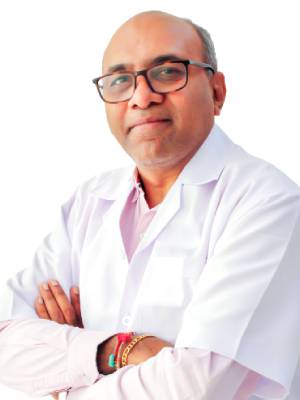
Dr. Bhavesh B. Parekh heads medical oncology at Marengo CIMS Hospital in Ahmedabad, with more than 25 years of clinical and laboratory experience in adult and paediatric oncology and haematology. A cancer diagnosis turns a family’s world upside down, and the first meeting often matters as much as the first treatment. Renowned Cancer Doctor Bhavesh B Parekh in Ahmedabad is known to take that conversation seriously, explaining the diagnosis, the plan, and the choices in plain words, so that patients and families can face the road ahead with clarity and not confusion.
Qualifications
- MBBS, BJ Medical College, Ahmedabad (1992)
- MD (Internal Medicine), BJ Medical College, Ahmedabad (1995)
- DM (Oncology), BJ Medical College, Ahmedabad (1998)
- MBA in HR, BK School of Management, Ahmedabad (2011)
Areas of Expertise
- Chemotherapy
- Targeted Therapy
- Immunotherapy
- Palliative and Cancer-Related Care
- Genetic Counselling Related to Cancer
- Adult and Paediatric Oncology and Haematology
Awards and Recognition
- Youngest doctor on the panel of the Hon. Governor of Gujarat State as Cancer Physician
- National Executive Member, Indian Society of Medical and Paediatric Oncology (life member)
- Founder Member, Indian Co-operative Oncology Network (ICON)
- Organising Secretary, 30th ICON, held at Ahmedabad
Finding the Right Cancer Care
Cancer care is rarely the work of one doctor. Surgeons, radiation specialists, pathologists, nurses, nutritionists and counsellors all play a part, and the medical oncologist often keeps the plan together. If you are looking for a Cancer Doctor in Ahmedabad, it helps to find one who explains clearly, welcomes questions and your family’s involvement, and is open to a second opinion.
What a Medical Oncologist Does
A medical oncologist treats cancer with medicines, such as chemotherapy, targeted therapy, and immunotherapy, and coordinates the overall treatment plan. After the diagnosis is confirmed, the doctor looks at the type and stage of the cancer, your age, your general health and your wishes, and recommends a plan. The same doctor also manages side effects, follows your progress, and helps with pain and comfort. In some blood disorders and in children, the approach differs, so treatment is planned for each patient.
Your First Appointment
A visit with Dr. Bhavesh B Parekh begins with a conversation about your symptoms, how long you have had them, your medical history, family history, and medicines. Your biopsy, scan and blood reports are reviewed, and further tests may be suggested to understand the type and stage of the illness. You will hear what the diagnosis means, what the options are, and what happens next. Bring a family member to listen and take notes, and bring every report, slide and scan you have.
Symptoms Worth Getting Checked
Many of these have simple causes, but they should be checked if they last more than a few weeks. They include a lump anywhere in the body, unexplained weight loss, a sore that does not heal, a persistent cough or hoarse voice, blood in the urine, stool or sputum, a change in bowel habits, difficulty swallowing, unusual bleeding, persistent fever or night sweats, and bone pain that does not go away. In children, pale skin, repeated infections, easy bruising, unexplained fever, swollen glands, and headaches with vomiting need prompt attention. An early check gives the most options, and most people who get checked do not turn out to have cancer.
Chemotherapy Without the Myths
Chemotherapy uses medicines that attack fast-growing cells, and it is given through a vein or as tablets, in cycles with rest periods between them. Side effects vary with the medicines and the person, and may include tiredness, nausea, hair loss, mouth sores, low blood counts and a higher risk of infection. Many can be prevented or eased with supporting medicines, so tell the team early. Chemotherapy is not the same for everyone, and your plan will be matched to your diagnosis.
Targeted Therapy
Targeted therapy uses medicines aimed at particular features of cancer cells, such as certain proteins or gene changes. It may be advised when tests on the tumour show a feature that the medicine can act on. That is why accurate testing before treatment matters. Targeted therapy is often given as tablets or injections, and it has its own side effects, which are different from those of chemotherapy. Your doctor will explain whether it suits you and how your response will be watched.
Immunotherapy in Plain Words
The body’s immune system can sometimes fail to spot cancer cells. Immunotherapy medicines help the immune system recognise and attack them, and they are used for some types of cancer. Side effects can include skin rashes, diarrhoea, breathlessness, tiredness and changes in hormone levels, because the activated immune system can affect healthy organs. Report any new symptom promptly, even weeks after a dose. Not every cancer responds to immunotherapy, so ask whether it is suitable for your case.
Cancers of the Blood and Childhood Cancers
Haematology covers conditions of the blood and bone marrow, including leukaemia, lymphoma and other blood disorders. Signs include persistent tiredness, pale skin, repeated infections, easy bruising or bleeding, swollen glands, fever and weight loss. Children’s cancers are different from adult cancers and are treated differently. Paediatric treatment needs a team who can support both the child and the parents, with explanations a child can understand, play and comfort during hospital stays, and attention to school and growth. Early assessment is important for both.
Genetic Counselling and Cancer in the Family
Most cancers are not inherited, but a few run in families. A strong family history, cancers at a young age, several relatives with the same or related cancers, or more than one cancer in a single person may suggest an inherited risk. Genetic counselling helps you understand whether testing makes sense, what a result could mean for you and your relatives, and what screening or preventive steps may help. A test is a personal decision, and you should receive the counselling before and after it. Bring a family tree with names, ages, and any cancer diagnoses.
Supportive and Palliative Care
Palliative care is care that eases symptoms and improves comfort at any stage of cancer, not only at the end of life. It looks at pain, nausea, breathlessness, sleep, appetite, anxiety and low mood, and it supports the family too. It can be given alongside treatment that aims to control the cancer, and when treatment cannot control the cancer, it focuses on comfort and dignity. Ask early about pain control and support services. Needing palliative care does not mean giving up.
Getting Through Treatment
Eat small, regular meals, drink enough fluids, and rest when you need to. Take every medicine exactly as advised, and never start herbal or alternative remedies without telling your doctor, since some can interfere with treatment. Wash your hands often and avoid people who are unwell when your blood counts are low. Keep every appointment and blood test, and write down questions and side effects to discuss at each visit. Small, steady habits help more than big changes.
Emotional Support for You and Your Family
Feeling frightened, angry, numb, or exhausted is normal after a cancer diagnosis. Talk openly with the team about how you are feeling, and lean on family and friends. Counselling, support groups and nutrition advice can make the journey easier. Caregivers need rest and support as well. Caring for the person, not only the illness, is part of good cancer care.
Fever and Other Warning Signs During Treatment
Some symptoms during treatment need quick attention. Contact the team or go to the nearest emergency department straight away for a fever or chills, uncontrolled vomiting, severe diarrhoea, bleeding that does not stop, severe pain, breathlessness, confusion, a swollen painful leg or a new rash. A fever during chemotherapy can be serious, because the body’s defences may be weak. Keep the emergency contact number given by the team handy at all times.
Booking an Appointment
To book a consultation with Dr. Bhavesh B Parekh at Marengo CIMS Hospital in Ahmedabad, visit during OPD hours from Monday to Saturday, 10:00 am to 5:30 pm. Please bring your biopsy reports, scans, blood tests, earlier treatment records, and prescriptions, along with a list of all the medicines and supplements you take.