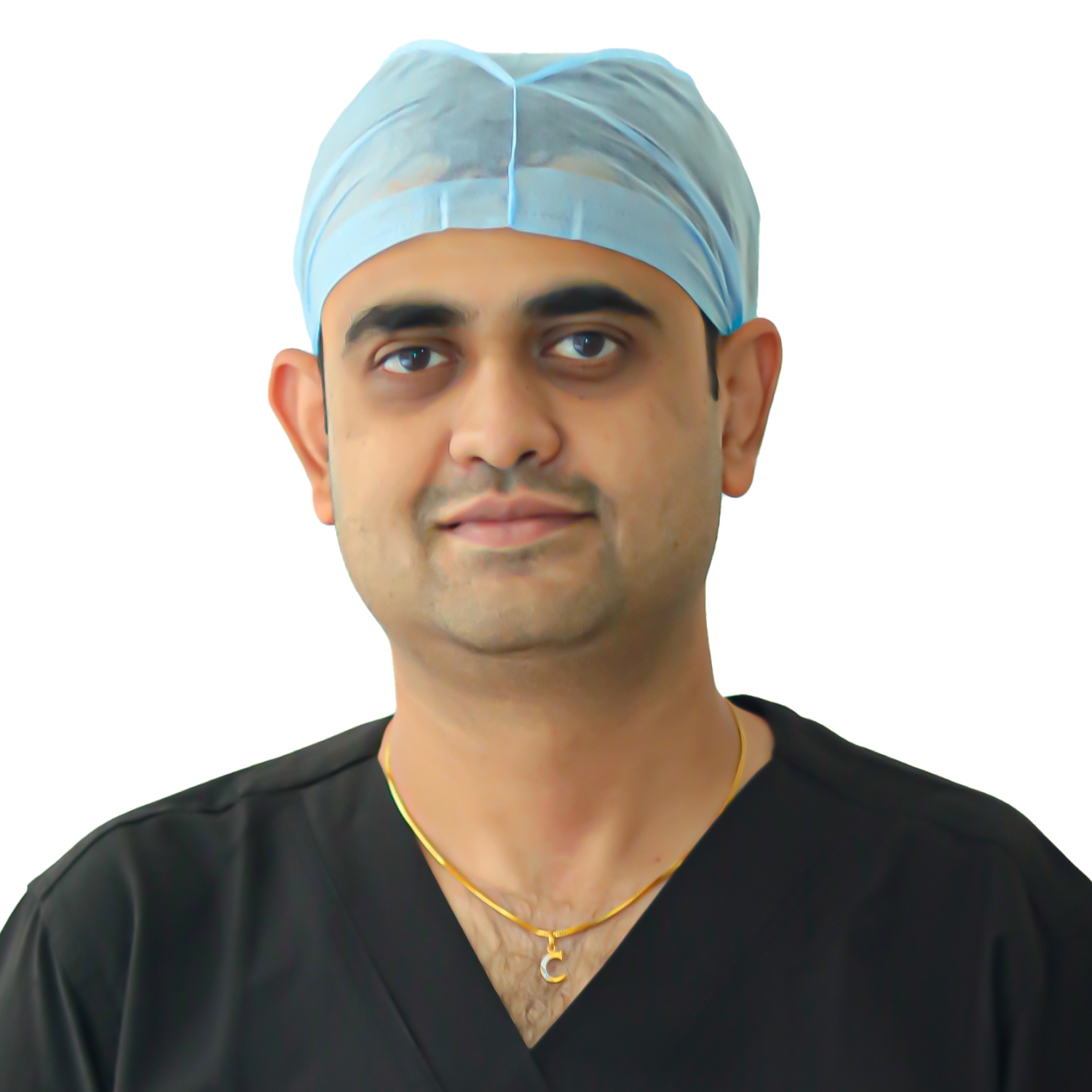
Consultant Dr. Chintan Parekh has 11 years of experience in anaesthesiology and has worked at Marengo CIMS Hospital for 10 of those years. He gives anaesthesia to patients of all kinds, including those undergoing high-risk surgery, across orthopaedic, obstetric, neurosurgical, gastrointestinal, cancer, gynaecological, urological and trauma surgery. Facing an operation can be worrying, and for many people the anaesthetic is the part they fear most, so he aims to explain the plan clearly and answer questions well before the day of surgery.
Qualifications
- MBBS
- MD (Anaesthesiology)
Areas of Expertise
- Anaesthesia for High-Risk Surgery
- Orthopaedic Anaesthesia
- Obstetric Anaesthesia
- Neuroanaesthesia
- Anaesthesia for Gastrointestinal Surgery
- Anaesthesia for Cancer Surgery
- Anaesthesia for Gynaecological Procedures
- Anaesthesia for Urological Surgery
- Trauma Anaesthesia
Where Anaesthesia Fits in Your Surgical Care
Most people think of the surgeon when they picture an operation, but an anaesthesiologist is with you from before the first incision until you wake up. Anaesthesiologists are doctors who keep you free of pain and safe during surgery. They watch your breathing, heart rate, blood pressure, and oxygen levels throughout, manage any changes as they happen, and plan your pain relief afterwards. If you are looking for an Anaesthesiologist in Ahmedabad ahead of a planned operation, the pre-anaesthesia check-up is where that care begins.
Training and Career
Dr. Chintan Parekh completed his MBBS and then an MD in Anaesthesiology. He has spent 10 of his 11 years in practice at Marengo CIMS Hospital, Ahmedabad, where he gives anaesthesia across a wide range of surgical specialities and for patients with complex medical conditions. People searching for the Best Anaesthesiologist Chintan Parekh in Ahmedabad will find a doctor whose experience covers routine operations and high-risk cases alike.
Your Pre-Anaesthesia Check-up
Before a planned operation, you will usually have a pre-anaesthesia check-up (PAC) with Dr. Chintan Parekh or a member of the anaesthesia team. It starts with questions about your health: heart and lung conditions, diabetes, blood pressure, kidney or liver problems, sleep apnoea or heavy snoring, earlier operations and anaesthetics, any reactions you or your family members have had, allergies, and habits such as smoking or alcohol. Your mouth, teeth, neck and airway are checked, since these affect how your breathing is managed during surgery. Tests such as blood tests, an ECG, a chest X-ray or an echocardiogram may be advised depending on your age, your health and the operation planned. Bring all your reports and a list of every medicine you take, including herbal and over-the-counter products.
Types of Anaesthesia: Which One Is Right for You?
General anaesthesia puts you into a controlled, deep sleep so you are unaware and feel nothing during the operation. A breathing tube or airway device is usually placed once you are asleep.
Regional anaesthesia numbs a larger part of the body. Spinal and epidural anaesthesia numb the lower body and are widely used for caesarean sections, hip and knee operations, and urological and gynaecological procedures. Nerve blocks numb an arm or a leg and can also give hours of pain relief after surgery.
Local anaesthesia with sedation numbs a small area while medicine helps you relax.
The choice depends on the operation, your health and, where more than one option is safe, your preference. Ask why a particular type is advised and what the alternatives are.
Anaesthesia for High-Risk Patients
Some patients face a greater risk during surgery because of heart disease, lung disease, kidney failure, poorly controlled diabetes, obesity, advanced age or the emergency nature of the operation. For them, careful planning makes a real difference. That can mean getting medicines and health conditions as well controlled as possible before surgery, closer monitoring during the operation, choosing the technique that puts the least strain on the heart and lungs, and arranging intensive care afterwards when needed. Your anaesthesiologist will explain the specific risks in your case so that you and your family can make an informed decision.
Anaesthesia for Childbirth and Caesarean Section
Most planned caesarean sections are done under spinal anaesthesia, so the mother stays awake, feels no pain and can often see her baby soon after birth. General anaesthesia is kept for situations where it is safer or a regional technique is not possible. Epidural pain relief during labour may also be an option, so discuss it with your obstetrician and the anaesthesia team. Tell them about any bleeding disorder, earlier back surgery or blood-thinning injections, since these affect which techniques can be used safely.
Anaesthesia Across Surgical Specialities
Each speciality brings its own needs. Neurosurgery calls for careful control of blood pressure and pressure inside the skull. Orthopaedic operations often benefit from nerve blocks for pain relief afterwards, while long cancer and gastrointestinal operations need close attention to fluids, body temperature and blood loss. Trauma surgery is often done in an emergency, with little time to prepare, so the team works quickly while keeping the patient stable. Gynaecological and urological procedures range from short day-care cases to major operations, and the anaesthetic is matched to each one.
Preparing for Surgery and Anaesthesia
Follow the fasting instructions you are given exactly, since food or drink in the stomach can be dangerous under anaesthesia. You will be told which medicines to take on the morning of surgery and which to stop, especially blood thinners, diabetes medicines and some blood pressure tablets, so do not stop any on your own. If you smoke, stopping even a few days before surgery helps your breathing. Remove jewellery, nail polish, contact lenses and dentures as instructed, and tell the team about any loose teeth or caps. Arrange for an adult to take you home and stay with you, especially after day-care surgery.
Waking Up and Recovery
After the operation, you are moved to a recovery area where the team watches your breathing, heart rate, blood pressure, and pain until you are ready to return to the ward. Feeling drowsy, cold, shivery or slightly sick is common and usually settles quickly, and you may have a sore throat if a breathing tube was used. After spinal or epidural anaesthesia, the numbness wears off gradually over a few hours. Tell the team if your pain is not under control, since there are several ways to relieve it. For 24 hours after a general anaesthetic or sedation, do not drive, operate machinery, drink alcohol or sign important documents.
Is Anaesthesia Safe?
Modern anaesthesia is very safe for most people, thanks to better medicines, continuous monitoring and careful assessment beforehand. Serious complications are uncommon, although the risk is higher with some medical conditions and with emergency surgery. Waking up during a general anaesthetic is rare. Your anaesthesiologist stays with you throughout the operation and adjusts the anaesthetic as needed. If you feel anxious, mention it at your check-up, since talking it through often helps.
Teleconsultation
Teleconsultation is not currently available with Dr. Chintan Parekh. A pre-anaesthesia check-up needs an in-person examination of your airway, heart and lungs, along with a review of your test results, so please plan to visit the hospital before your surgery.
When Symptoms After Surgery Cannot Wait
Go to the nearest emergency department or contact the hospital straight away for breathlessness, chest pain, fainting, unusual drowsiness or confusion, a high fever, or vomiting that does not stop. After spinal or epidural anaesthesia, seek help for numbness or weakness in the legs that lasts much longer than you were told to expect, new back pain with fever, or difficulty passing urine. A severe headache that is worse when you sit or stand and eases when you lie down can follow a spinal or epidural, and it should also be reported. Patients cared for by the Top Anaesthesiologist Chintan Parekh in Ahmedabad should still treat emergencies as emergencies and not wait for OPD hours.
Booking an Appointment
To book a consultation with Dr. Chintan Parekh at Marengo CIMS Hospital in Ahmedabad, visit during OPD hours from Monday to Friday, 9:30 AM to 12:30 PM. Please bring your surgeon's advice or referral, earlier reports and ECGs, discharge summaries from any past operations, and a list of all the medicines and supplements you take.