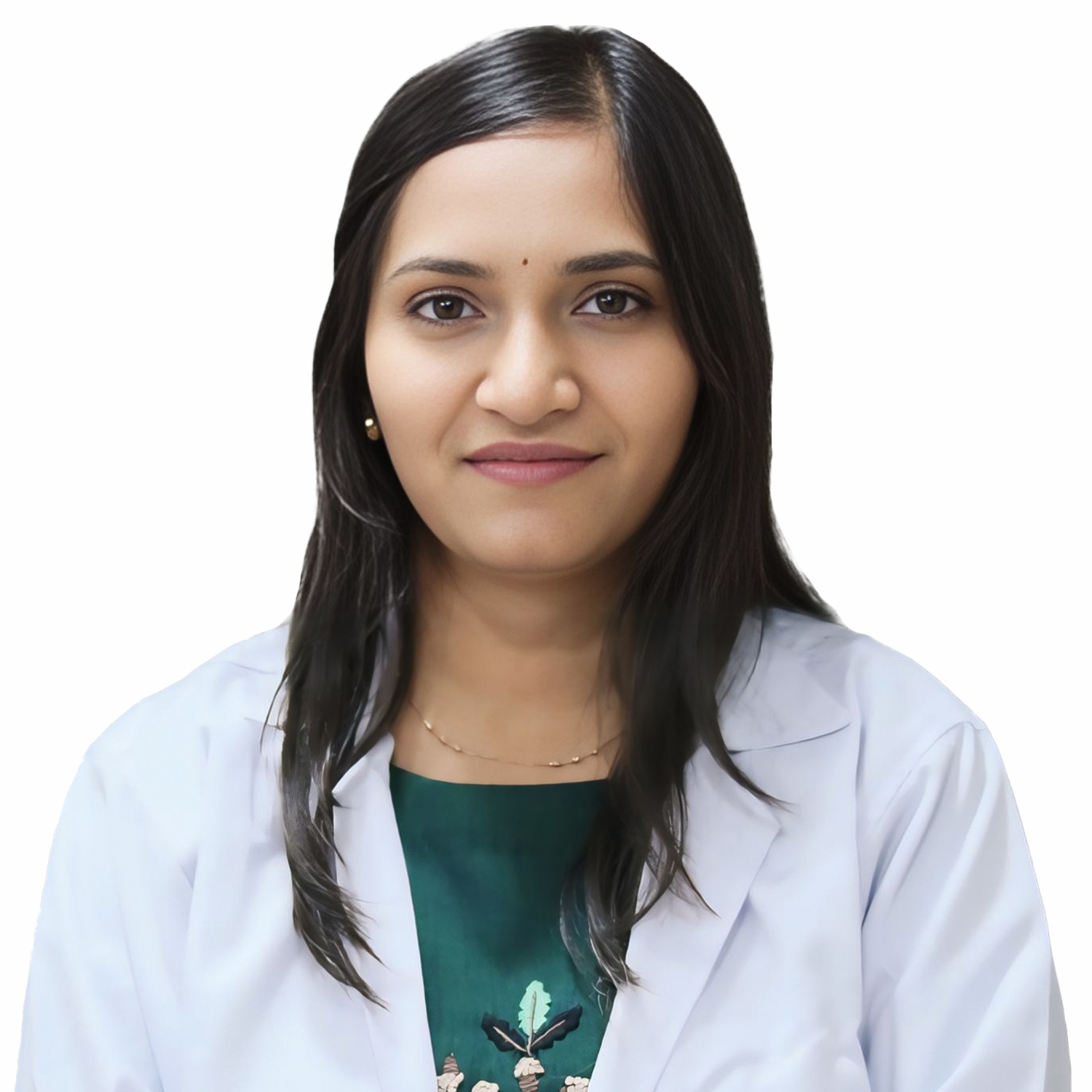
Associate Consultant Dr. Yesha Patel practises at Marengo Asia Hospital in Ahmedabad. She trained in general medicine before specialising in cancer, so she is used to looking at the whole patient and not just the tumour. Her fellowship at Tata Medical Center, Kolkata, from November 2022 to December 2024, gave her close experience of modern cancer medicines. A cancer diagnosis brings a rush of questions, and families rarely know where to begin. Cancer Doctor Yesha Patel in Ahmedabad puts effort into answering them clearly, explaining what the reports mean, what the treatment involves, and what to expect, in plain words.
Qualifications
- MBBS, GCS Medical College, Ahmedabad
- MD (General Medicine), L.N. Medical College, Bhopal (2018 to 2021)
- Certified Fellowship in Medical Oncology, Tata Medical Center, Kolkata (November 2022 to December 2024)
Areas of Expertise
- Medical Oncology
- Chemotherapy
- Targeted Therapy
- Immunotherapy
- Health Assessment, Diagnosis and Treatment Planning
- Management of Emergencies and ICU Patients
- Patient Counselling, Preventive Care and Patient Education
Awards and Recognition
- Second rank, IAPSM World AIDS Day 2016 Poster Competition, GCS Medical College, Ahmedabad
Academic Contributions
- Dissertation comparing the APACHE II and SOFA scores to predict outcomes in critically ill patients
- Case presentation on treatment of a BRAF V600E-mutated lung adenocarcinoma with targeted therapy, Lung Onconomics (May 2023)
- Poster and paper presentations at national and international conferences during postgraduate training, including a paper on Strongyloides hyperinfection after corticosteroid therapy
Finding a Cancer Doctor You Can Talk To
After a worrying scan or a biopsy report, most people go to the internet first. If you have typed Cancer Doctor near me in Ahmedabad into a search box, the most helpful thing to know is what to look for once you arrive. Look for a doctor who explains the diagnosis without rushing, welcomes your family into the conversation, answers your questions honestly, and is open to a second opinion. The right treatment plan starts with understanding what is happening, and that conversation is as important as any medicine.
What a Medical Oncologist Does
A medical oncologist treats cancer with medicines, such as chemotherapy, targeted therapy, and immunotherapy, and usually coordinates the overall plan with surgeons, radiation specialists, pathologists, and nurses. After the diagnosis is confirmed, the doctor looks at the type and stage of the cancer, your age, your general health, and your wishes, and recommends a plan. The same doctor also manages side effects, follows your progress, and helps with pain and comfort.
Your First Appointment
A visit with Dr. Yesha Patel begins with a conversation about your symptoms, how long you have had them, your medical history, family history, habits, and the medicines you take. Your biopsy reports, scans and blood tests are reviewed, and further tests may be suggested to understand the type and stage of the illness. You will hear what the diagnosis means, what the options are, and what happens next. Please bring every report, scan, and slide you have, and a family member to listen and take notes.
Symptoms Worth Getting Checked
Many of these have simple causes, but they should be checked if they last more than a few weeks. They include:
- A lump anywhere in the body
- Unexplained weight loss
- A sore or ulcer that does not heal
- A persistent cough or hoarse voice
- Blood in the urine, stool or sputum
- A change in bowel habits
- Difficulty swallowing
- Unusual bleeding
- Persistent fever or night sweats
- Pain that does not go away
An early check gives the most treatment options, and most people who get checked do not turn out to have cancer.
Making Sense of Your Reports
A cancer diagnosis rests on several reports. A biopsy shows what the cells look like under the microscope, scans such as CT and PET show where the disease is, and blood tests show how your body is coping. Staging describes how far the cancer has spread, and it guides treatment. Sometimes, tests on the tumour look for gene changes or protein markers, which can decide whether a particular medicine is likely to help. Ask for copies of everything, and ask your doctor to explain each result in simple words.
Chemotherapy Without the Myths
Chemotherapy uses medicines that attack fast-growing cells, and it is given through a vein or as tablets, in cycles with rest periods between them. Side effects vary with the medicines and the person, and may include tiredness, nausea, hair loss, mouth sores, low blood counts and a higher risk of infection. Many can be prevented or eased with supporting medicines, so tell the team early. Chemotherapy is not the same for everyone, and your plan is matched to your diagnosis.
Targeted Therapy and Gene Changes
Some cancers are driven by particular changes in their genes. Targeted therapy uses medicines aimed at those changes, and it is usually given as tablets or injections. It is advised only when tests show a change the medicine can act on, which is why accurate testing before treatment matters. Targeted medicines have their own side effects, different from those of chemotherapy, such as skin rashes, diarrhoea or tiredness. Your doctor will explain whether it suits you and how your response will be followed.
Immunotherapy in Plain Words
The body’s immune system can sometimes fail to spot cancer cells. Immunotherapy medicines help the immune system recognise and attack them, and they are used in some types of cancer. Side effects can include skin rashes, diarrhoea, breathlessness, tiredness and changes in hormone levels, because the activated immune system can affect healthy organs. Report any new symptom promptly, even weeks after a dose. Not every cancer responds to immunotherapy, so ask whether it is suitable for your case.
Fever and Infections During Treatment
Many cancer treatments lower the white blood cells that fight infection, so a fever during treatment can be serious. Check your temperature if you feel unwell, and call the team at once for a fever, chills, shivering, a new cough, burning urine or redness around a drip or catheter site. Wash your hands often, take care with food hygiene, avoid crowds and sick contacts when your counts are low, and keep vaccinations up to date as advised. Do not take paracetamol to hide a fever before calling.
Eating and Daily Life During Treatment
Eat small, regular meals, drink enough fluids and rest when you need to. If you have nausea or mouth sores, ask the team for medicines and tips that help. Never start herbal or alternative remedies without telling your doctor, since some can interfere with treatment. Stay as active as you comfortably can, since short walks help energy and mood. Keep every appointment and blood test, and write down questions and side effects to discuss at each visit. Small, steady habits help more than big changes.
Counselling and Emotional Support
Feeling frightened, angry, numb, or exhausted is normal after a cancer diagnosis. Talk openly with the team about how you are feeling, and lean on family and friends. Counselling, support groups and nutrition advice can make the journey easier. Caregivers need rest and support as well. Decisions about treatment belong to you, so ask for information in a way you can understand, and ask for time if you need it.
Cancer Prevention and Screening
Not every cancer can be prevented, but the risk can be lowered. Do not smoke or chew tobacco, limit alcohol, stay active, keep a healthy weight, eat plenty of vegetables and fruit, and protect your skin from the sun. Vaccination against hepatitis B and HPV is advised for suitable people. Ask your doctor about screening, such as tests for breast, cervical, bowel and oral cancers, based on your age, sex and family history. Tell your doctor if several relatives have had cancer, especially at a young age.
Emergencies During Cancer Treatment
Some problems need urgent care. Contact the team or go to the nearest emergency department straight away for:
- A fever or chills
- Uncontrolled vomiting
- Severe diarrhoea
- Bleeding that does not stop
- Severe pain
- Breathlessness
- Confusion
- A swollen painful leg
- New weakness in the legs
- Loss of control over urine or stool
Keep the emergency number given by the team handy at all times, and carry a record of your treatment, so any hospital can act quickly.
Follow-Up and Staying in Touch
After treatment, regular check-ups help to watch for any return of the disease and to manage lasting side effects. If you were treated by Dr. Yesha Patel, keep every follow-up visit and scan, even when you feel well. Bring a list of your questions, any new symptoms, and a record of your medicines. Ask what to look out for, how often you need tests, and whom to call between visits.
Booking an Appointment
To book a consultation with Dr. Yesha Patel at Marengo Asia Hospital in Ahmedabad, visit during OPD hours from Monday to Saturday, 10:00 am to 5:00 pm. Please bring your biopsy reports, scans, blood tests, earlier treatment records, and prescriptions, along with a list of all the medicines and supplements you take.