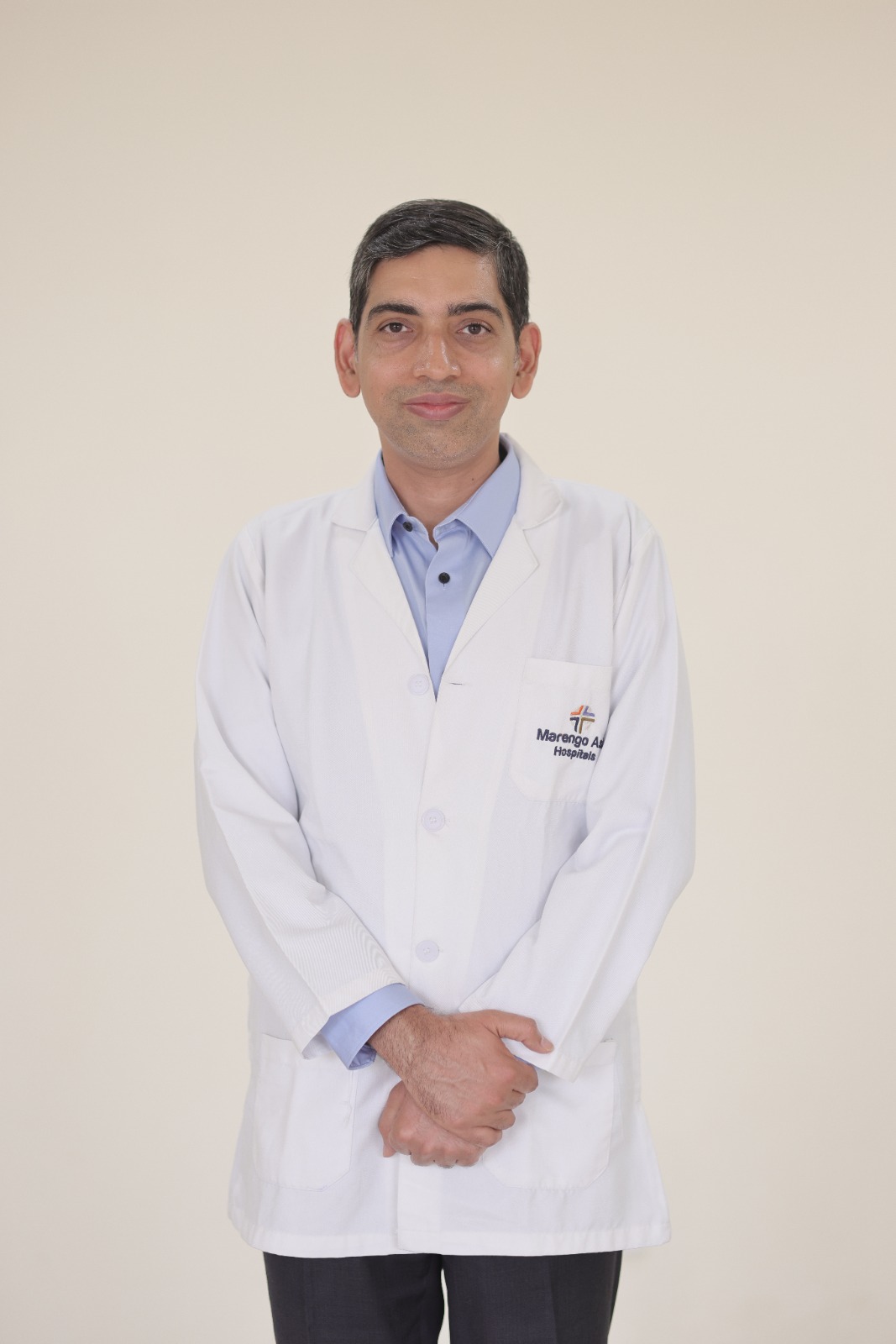
Dr. Vikas Sharma is a neurologist with more than 17 years of experience in diagnosing and treating diseases of the brain, nerves, and muscles. At Marengo Asia Hospitals, he leads neurology as Clinical Director, with a focus on stroke, intensive care for neurological emergencies, epilepsy, and movement disorders. He completed his DM in Neurology at the Postgraduate Institute of Medical Education and Research (PGIMER) in Chandigarh, after his MD in Medicine and MBBS at Maulana Azad Medical College, Delhi. If you are looking for Neurologist Dr. Vikas Sharma in Gurugram for stroke, seizures, tremor, or nerve and muscle weakness, he offers specialist assessment with a strong emphasis on stroke care and neurological imaging.
Qualifications and Training
- MBBS (2003): Maulana Azad Medical College, Delhi
- MD, Medicine (2008): Maulana Azad Medical College, Delhi
- DM, Neurology (2011): PGIMER, Chandigarh
Areas of Expertise
Stroke and Neurocritical Care
Dr. Vikas Sharma treats acute stroke and looks after patients with serious neurological illness who need intensive care, such as severe stroke, brain swelling, prolonged seizures, and breathing difficulty from nerve or muscle disease.
Epilepsy and Movement Disorders
He treats epilepsy, which causes repeated seizures, and movement disorders such as Parkinson’s disease and tremor.
Neuroimaging and Transcranial Doppler
Neuroimaging, including brain scans, helps find the cause of neurological symptoms. Transcranial Doppler is a painless ultrasound test that measures blood flow in the arteries of the brain and is used in stroke care.
Neuromuscular Disorders
These are conditions that affect nerves and muscles, such as neuropathy and muscle diseases, causing weakness, numbness, tingling, or cramps.
Clinical Research and Medical Education
He is involved in clinical research and the teaching of medical students and doctors.
Professional Memberships
- American Stroke Association
- European Stroke Organisation
- Indian Academy of Neurology
- Indian Stroke Association
- Society of Neurovascular Interventions (SNVI)
- World Stroke Organisation
What Does a Neurologist Do?
A neurologist is a doctor who diagnoses and treats diseases of the brain, spinal cord, nerves, and muscles. That includes stroke, epilepsy, headache, Parkinson’s disease, neuropathy, memory problems, and many others. Most neurological conditions are treated with medicines, therapy, and lifestyle changes. Some need procedures or surgery, in which case the neurologist works with a neurosurgeon.
Stroke: Why Every Minute Counts
In a stroke, part of the brain loses its blood supply, either because a clot blocks an artery or because a vessel bleeds. Brain cells die quickly without blood, so the sooner treatment begins, the more brain can be saved. Treatment is possible only within a limited window, which is why reaching the hospital without delay matters.
Neurocritical Care
Some neurological emergencies need the intensive care unit, such as a large stroke, bleeding in the brain, status epilepticus (seizures that do not stop), severe infections of the brain, and nerve diseases that weaken the breathing muscles. Neurocritical care combines close monitoring, organ support, and early treatment of the cause. Families often have many questions, and the team can explain what is happening and what to expect.
Epilepsy
Epilepsy is a condition of repeated seizures, and most people control them well with medicines. Not every blackout or shaking episode is epilepsy, so an assessment, often with an EEG and a brain scan, helps confirm the diagnosis. If you see someone having a seizure, keep them safe on their side, do not put anything in their mouth, and call for help if it lasts more than five minutes.
Movement Disorders
Tremor, stiffness, slowness, involuntary movements, and balance problems can all point to a movement disorder. Parkinson’s disease is the best known, but there are many others. A neurologist examines you carefully, since the pattern of symptoms matters as much as any scan.
Neuroimaging and Transcranial Doppler
Brain and spine scans, such as CT and MRI, show the structure of the brain. Transcranial Doppler adds information on blood flow in the brain’s arteries, and it can help in stroke assessment and monitoring. It uses sound waves, involves no radiation, and is painless.
Neuromuscular Disorders
Weakness, numbness, tingling, cramps, or muscle wasting may come from the nerves or the muscles themselves. Tests such as nerve conduction studies, electromyography, and blood tests help find the cause. Some conditions are treatable, so early assessment matters.
Stroke Warning Signs: Act Fast
Call for emergency help and go straight to a hospital if you or someone near you has any of these suddenly:
- Face: Drooping on one side, or an uneven smile
- Arm: Weakness or numbness in one arm or leg
- Speech: Slurred speech, or difficulty understanding
- Time: Note when symptoms began, and go immediately
Other signs include sudden loss of vision, severe dizziness or loss of balance, and a sudden, very severe headache. Do not wait for symptoms to pass, and do not drive yourself.
Symptoms That Need a Neurologist’s Attention
See a doctor soon if you notice:
- Brief episodes of weakness, numbness, or trouble speaking that go away
- Frequent or worsening headaches, especially with vomiting or vision changes
- Seizures, blackouts, or fainting spells with no clear cause
- Tremor, stiffness, slowness, or trouble walking
- Persistent numbness, tingling or weakness
- Memory problems or sudden confusion
Seek emergency care straight away for sudden weakness, facial drooping, slurred speech or a severe sudden headache.
Preventing Stroke
Many strokes can be prevented. Control high blood pressure, diabetes and cholesterol, stop smoking, limit alcohol, stay active and keep a healthy weight. People with an irregular heartbeat, known artery narrowing, or a past stroke should follow their doctor’s advice on medicines closely.
Preparing for Your Neurology Consultation
Bring any brain or spine scans (CT or MRI), EEG, and other reports, and a list of your current medicines. Note when your symptoms started, how often they happen, and what triggers them, and bring a family member who has seen the episodes. For seizures or movement problems, a short phone video can help.
Meet Dr. Vikas Sharma at Marengo Asia Hospitals in Gurugram
If you or a family member has had a stroke, seizures, tremor, or another neurological problem that has not been explained, you can consult Dr. Vikas Sharma at Marengo Asia Hospitals in Gurugram. His OPD runs Monday to Saturday, 9:00 AM to 5:30 PM. Bring your reports, and take your time to ask about your diagnosis and the options.