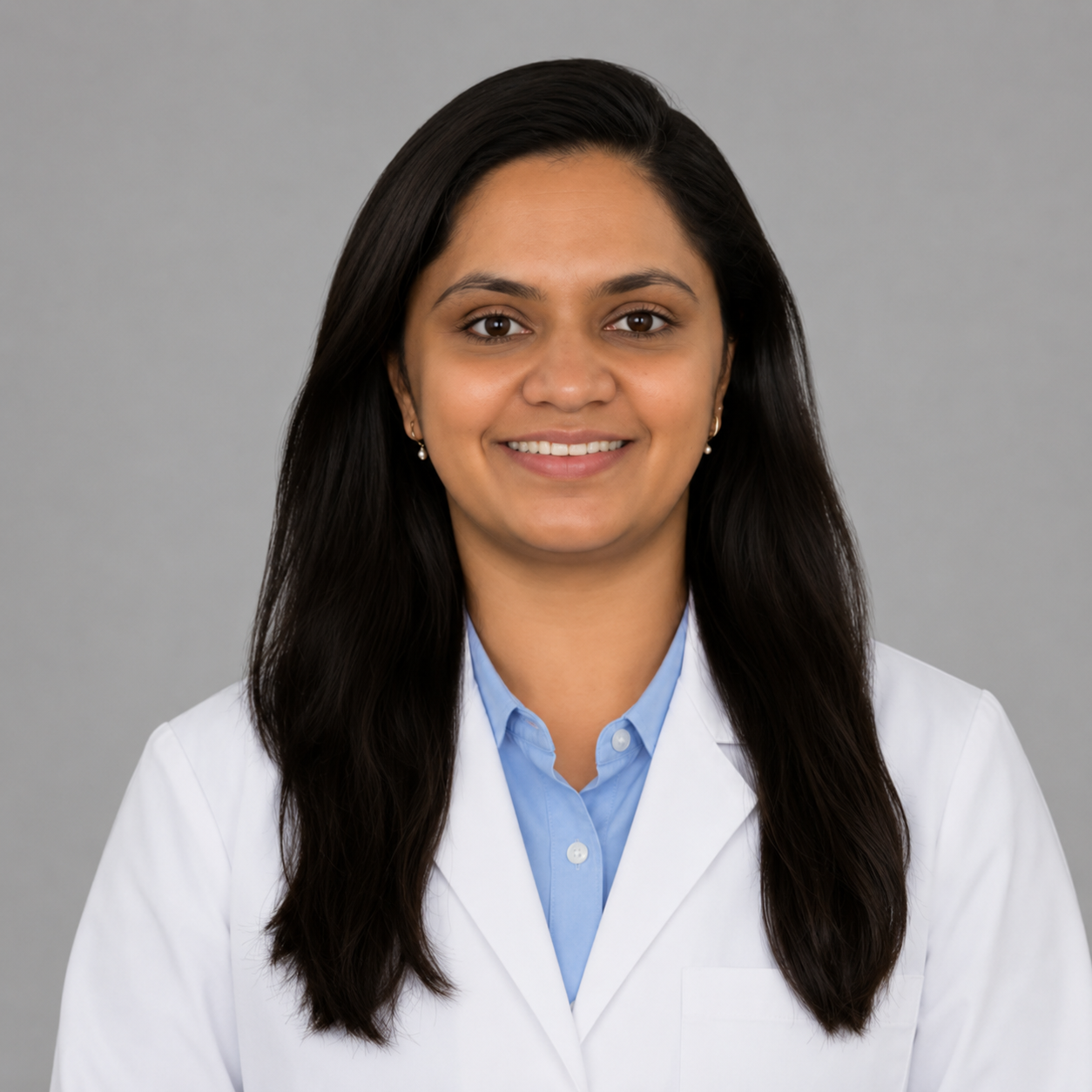
Superspecialist Consultant Dr. Trupti Mehta Interventional Radiologist in Vadodara brings more than 12 years of experience in radiology and image-guided treatment. She is dedicated to providing minimally invasive procedures, using advanced techniques to diagnose and treat conditions through small openings rather than large surgical cuts. Many patients have never heard of this branch of medicine before they are referred, so she takes time to explain what the procedure involves, why it is being suggested and what the alternatives are.
Qualifications
- MBBS
- MD (Radio Diagnosis)
- FVIR
Areas of Expertise
- Vascular and Interventional Radiology
- Minimally Invasive Procedures
- Image-Guided Diagnosis and Treatment
The Doctor Behind the Scan
Most people know radiologists as the doctors who read X-rays, ultrasounds, CT scans, and MRI scans. An interventional radiologist goes a step further. Using live imaging as a guide, she passes thin tubes, needles or other fine instruments through a tiny opening in the skin to reach the problem area, whether that is a blood vessel, an organ or a tumour. Because the cut is so small, many of these procedures are done without a general anaesthetic and may need a shorter stay in hospital. If you are looking for an Interventional Radiologist in Vadodara, this is the branch of medicine that often offers an alternative to open surgery in suitable cases.
Meeting Your Interventional Radiologist
A first visit with Dr. Trupti Mehta Interventional Radiologist is usually based on a referral from another doctor, though you can also book directly. She will review your symptoms, your medical history, your medicines and, most importantly, your scans and reports. Further imaging or blood tests may be asked for before any decision is made. You will be told whether a procedure is suitable for you, how it is done, what the risks are, and what other options exist, including medicines or conventional surgery. Bring your original scan films or discs, not only the reports, since the images matter.
Blood Vessel Problems: Symptoms Worth Checking
The vascular system is the network of arteries and veins that carries blood around your body. Leg pain when walking that eases with rest, cold or pale feet, wounds on the legs or feet that heal slowly, swollen or twisted veins, and swelling or pain in one leg are all worth getting checked. People with diabetes, high blood pressure, high cholesterol, or a smoking habit are at higher risk. Do not ignore these signs or rely on painkillers alone, since early assessment gives more treatment options.
Treating Problems Through a Pinhole
Many conditions can now be treated through a small puncture, often in the wrist or groin, using a fine tube guided by X-ray or ultrasound. Examples include opening or blocking blood vessels, draining fluid collections, taking tissue samples for diagnosis and treating certain tumours. Whether any of these suits you depends on your diagnosis, your scans and your general health. Ask your doctor why a procedure is being advised, what it is expected to achieve and what could go wrong.
Before Your Procedure
Your team will tell you when to stop eating and drinking, and which medicines to pause, especially blood thinners and diabetes medicines. Blood tests and a kidney check are often done in advance, since some scans and procedures use a dye. Tell the team about any allergies, especially to contrast dye, iodine or latex, and about earlier reactions to anaesthesia. Arrange for someone to take you home, and wear loose, comfortable clothing. Ask all your questions beforehand, since a clear picture of the day helps you feel at ease.
What Happens During and After
During the procedure, the area is cleaned and numbed, and you may be given medicines to help you relax. You will be monitored throughout, and you may be asked to hold your breath for short periods. Afterwards, you rest while the team checks the puncture site, your pulse, and blood pressure. A small dressing is usually all that is needed, though some procedures require an overnight stay. You will be told how to care for the site, how much to drink, when you can return to normal activities, and which signs to watch for.
Booking a Consultation
Dr. Trupti Mehta Interventional Radiologist in Vadodara sees patients from Monday to Saturday, by appointment. Please book in advance. Bring your scan films or discs and reports, earlier prescriptions and discharge summaries, a list of all the medicines and supplements you take, and a note of any allergies. A family member is welcome to come along.