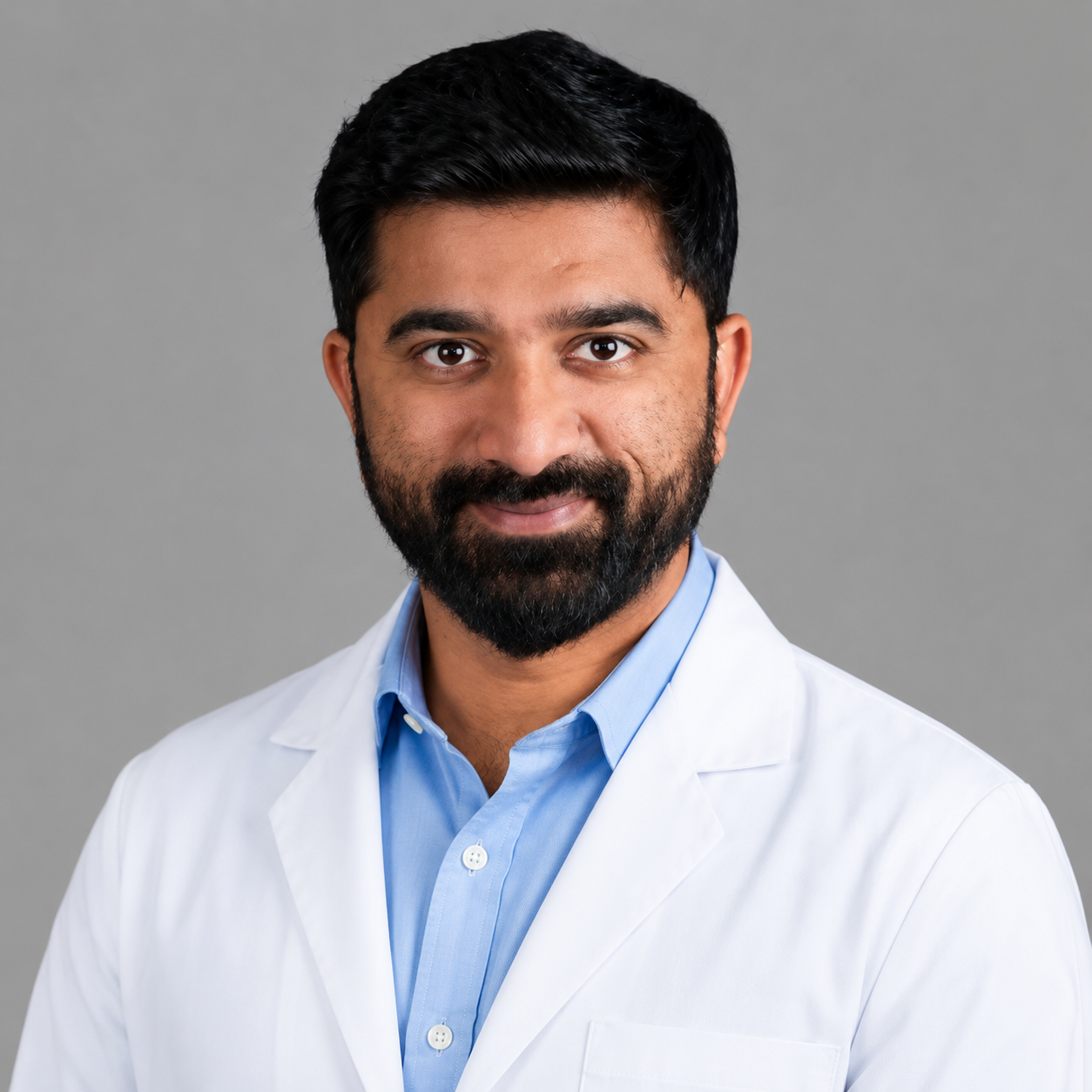
Superspecialist Consultant Dr. Tejas Kakkad Pulmonologist in Vadodara brings more than 20 years of experience in pulmonology and chest medicine. He has treated more than 40,000 patients with a wide range of respiratory and pulmonary conditions, and he also works in sleep medicine. A lingering cough, breathlessness, or poor sleep can quietly take over daily life, so he focuses on finding the cause, explaining it in simple terms, and agreeing on a plan you can follow.
Qualifications
Areas of Expertise
- Pulmonology
- Respiratory Medicine
- Sleep Medicine
- Chest Medicine
Lungs, Breathing and Sleep: Who Treats What?
A pulmonologist is a doctor who specialises in the lungs and the airways, and in how well you breathe, awake and asleep. Problems range from allergies, asthma and long-term cough to chest infections, scarring of the lungs and breathing trouble at night. Some can be managed with medicines and simple changes, while others need tests and regular follow-up. If you are looking for a Pulmonologist in Vadodara, a good starting point is any breathing symptom that has lasted more than a few weeks or keeps coming back.
What to Expect at Your First Visit
A visit with Dr. Tejas Kakkad Pulmonologist starts with a conversation about your symptoms, when they began, what sets them off, your smoking history, your work and home environment, your medical history, and your medicines. Your chest is examined and your oxygen level checked. Depending on what is found, a chest X-ray, a breathing test (spirometry), blood tests or a CT scan may be suggested. Bring all your earlier scans and reports, since seeing how things have changed over time is often the most useful clue.
A Cough That Will Not Go Away
Most coughs after a cold settle within a couple of weeks. A cough that lasts more than three weeks, brings up blood, wakes you at night, or comes with fever, weight loss, or breathlessness needs to be checked. Avoid treating a long-standing cough with cough syrups or leftover antibiotics, since this can hide the cause and delay the right treatment. Dust, smoke, allergies, acid reflux and infections can all be behind a cough, and finding the real reason is what makes treatment work.
Wheezing, Asthma and Allergies
Wheezing, a tight chest, coughing at night or early in the morning, and breathlessness after exertion or on exposure to dust, smoke or cold air can point to asthma or allergy. Asthma is very common and can be controlled well, but only if inhalers are used correctly and preventer medicines are taken regularly, even on good days. Ask your doctor to watch your inhaler technique, and learn to recognise your triggers. Do not stop or change medicines on your own because you feel better.
Snoring, Sleep Apnoea and Tired Days
Loud snoring, pauses in breathing during sleep, waking with a dry mouth or headache, and feeling sleepy through the day can be signs of sleep apnoea, in which the airway repeatedly narrows during sleep. It is more common in people who are overweight, but it can affect others too. Left untreated, it strains the heart and raises the risk of high blood pressure and accidents from drowsiness. A sleep study can confirm the problem, and treatment may include weight loss, changes in sleeping position, a breathing device, or other options. Do not drive when you feel very sleepy.
Long-Term Lung Conditions: COPD and Beyond
Chronic obstructive pulmonary disease (COPD) and other long-term lung conditions are managed over many years, not weeks. Quitting smoking is the single most helpful step at any stage, and vaccinations as advised, breathing exercises, regular activity and correct use of inhalers all lower the risk of flare-ups. Keep a list of your medicines, and learn your warning signs, such as more breathlessness, a change in the colour of your mucus or a new fever, so that treatment can begin early.
Breathing Trouble That Needs Help Now
Go to the nearest emergency department straight away for severe breathlessness, being unable to speak in full sentences, blue or grey lips, chest pain, coughing up a large amount of blood, confusion or drowsiness. If you are under the care of Dr. Tejas Kakkad and your breathing worsens suddenly, do not wait for an OPD day.
Making an Appointment
Dr. Tejas Kakkad Pulmonologist in Vadodara sees patients in the OPD on Tuesday, Thursday, and Saturday, 1:00 pm to 2:00 pm. Please bring your earlier chest X-rays, CT scans, breathing test and sleep study reports and prescriptions, along with a list of the medicines, inhalers, and supplements you take.