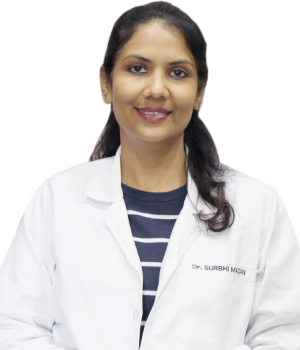
Dr. Surabhi Madan is an Infectious Disease Doctor in Ahmedabad with 12 years of experience, and her profile describes her as one of a select group of certified infectious disease physicians in India. At Marengo Asia Hospital, she treats everyday community-acquired infections as well as complex cases, including unexplained fevers, severe infections of the brain, heart, and kidneys, prosthetic implant and joint infections, and infections in cancer and organ transplant patients. She completed her Fellowship in Infectious Diseases at P.D. Hinduja Hospital, Mumbai, after her MD in Medicine at Government Medical College, Surat. Her special interests are the care of people living with HIV and difficult cases of drug-resistant tuberculosis. Renowned Infectious Disease Doctor Dr. Surabhi Madan in Ahmedabad brings specialist training to problems that are hard to diagnose or have not responded to treatment.
Qualifications and Training
MBBS: Government Medical College, Surat
MD (Medicine): Government Medical College, Surat
FID, Fellowship in Infectious Diseases: P.D. Hinduja Hospital, Mumbai
International Course in Clinical Tropical Medicine: CMC Vellore
Areas of Expertise
Complex and Unexplained Infections
Dr. Surabhi Madan has extensive experience with:
Unexplained fevers
Severe infections affecting critical organs such as the brain, heart, and kidneys
Prosthetic implant and joint infections
Cardiac infections
Post-surgical infections
Hospital-acquired infections
Infections in Transplant and Cancer Patients
Patients with weakened immunity, such as those undergoing cancer treatment or an organ transplant, are more prone to unusual and serious infections. She has experience managing these.
Tuberculosis, Including Drug-Resistant TB
Tuberculosis is among her areas of special interest, including challenging cases of drug-resistant TB.
HIV Care
She has a keen interest in caring for people living with HIV.
Tropical and Seasonal Infections
Dengue
Malaria
Chikungunya
COVID-19
Research, Conferences and Memberships
Dr. Surabhi Madan has published papers and articles in various journals and has presented her work at national and international conferences. She is an active member of the Infectious Diseases Society of America.
What Does an Infectious Disease Doctor Do?
An infectious disease specialist diagnoses and treats infections caused by bacteria, viruses, fungi, and parasites, especially those that are severe, unusual, long-lasting, or resistant to common treatment. They often work with surgeons, intensive care teams, cancer doctors, and transplant teams, helping choose the right antibiotic, the right duration, and the right tests.
Fever That Will Not Go Away
A fever that lasts for weeks, keeps returning or has no obvious cause needs a careful, step-by-step search. Causes range from infections to inflammatory conditions and, occasionally, cancer. A specialist will review your history, travel, contacts, and medicines before choosing tests, so bring a record of your temperatures and the reports you already have.
Tuberculosis and Drug-Resistant TB
TB usually affects the lungs but can involve almost any part of the body. A cough lasting more than two to three weeks, fever, night sweats, and weight loss are the classic warning signs. Standard TB is treatable with a full course of medicines. In drug-resistant TB, the usual medicines no longer work well, so treatment is longer and needs close specialist supervision. Never stop or skip TB medicines without advice, because that can make resistance worse.
HIV: Testing, Treatment and Living Well
HIV is a long-term condition that modern treatment controls very effectively. People who start treatment and take it regularly can stay healthy, and when the virus is suppressed to undetectable levels, it does not pass to sexual partners. Testing is simple and confidential, and early diagnosis gives the best outcome. If you are worried about a recent exposure, speak to a doctor urgently, since preventive treatment may be possible within a short window.
Infections in Transplant and Cancer Patients
Chemotherapy, steroids and anti-rejection medicines weaken the body’s defences, so even small infections can become serious. Fever in these patients should always be reported promptly. An infectious disease specialist helps decide on preventive medicines, the right antibiotics and the safest timing of treatment.
Prosthetic Implant and Joint Infections
An infection around an artificial joint or other implant can cause pain, swelling, redness or fever, sometimes months or years after surgery. Treatment often combines targeted antibiotics with surgery, so the orthopaedic and infectious disease teams work together. Early assessment improves the chance of saving the implant.
Cardiac and Brain Infections
Infections of the heart valves (endocarditis), the brain or its lining (meningitis, encephalitis, abscess) are serious and need urgent hospital care. Treatment usually involves a long course of antibiotics or other medicines, close monitoring and, sometimes, surgery.
Post-Surgical and Hospital-Acquired Infections
Infections can follow an operation or a hospital stay, such as wound infections, urinary or bloodstream infections, and pneumonia. Many are now caused by bacteria resistant to common antibiotics, which is why choosing the right drug matters. Following hand hygiene, wound care, and your team’s instructions helps prevent them.
Dengue, Malaria, and Chikungunya
These mosquito-borne infections cause high fever, headache, body ache, and tiredness, and are common during and after the monsoon. See a doctor early for a blood test. For suspected dengue, avoid painkillers such as ibuprofen or aspirin unless your doctor advises them, drink plenty of fluids, and watch for warning signs such as severe abdominal pain, repeated vomiting, bleeding, or extreme drowsiness. Preventing mosquito breeding and using repellents and nets help reduce the risk.
COVID-19 and Other Respiratory Infections
Most people recover from COVID-19 at home with rest and fluids, but older adults, people with long-term illness, and those with weakened immunity are at higher risk of severe illness. Seek care if you have breathing difficulty, low oxygen readings, persistent high fever, or confusion.
Use Antibiotics Carefully
Antibiotics work only against bacterial infections, not viral illnesses such as colds and most sore throats. Taking them unnecessarily, or stopping a course early, helps bacteria become resistant. Take antibiotics only when prescribed, and complete the course as directed.
Looking for an Infectious Disease Doctor near me in Ahmedabad? Signs That Need Attention
See a doctor if you notice:
Fever lasting more than a week, or returning repeatedly
A cough lasting more than two to three weeks, especially with weight loss or night sweats
Fever with a severe headache, stiff neck, or confusion
Fever or pain around a joint replacement, or a surgical wound that is red, swollen, or discharging
Frequent or unusual infections
Fever during chemotherapy or after a transplant
Seek emergency care straight away for breathlessness, confusion, a stiff neck with fever, bleeding, or very low urine output.
Preparing for Your Consultation
If you have searched for an Infectious Disease Doctor near me in Ahmedabad, a little preparation will help you get the most from your first visit. Bring your previous blood tests, scans, culture reports, and prescriptions, and note the dates of your fevers and any travel or contact with people who were ill. Write down every antibiotic you have taken, including the dose and duration, as this helps the doctor choose the next step.
Meet Dr. Surabhi Madan at Marengo Asia Hospital in Ahmedabad
If you have a fever that will not settle, a stubborn infection, TB, HIV, or an infection after surgery, you can consult Dr. Surabhi Madan at Marengo Asia Hospital in Ahmedabad. For families looking for an infectious disease doctor nearby, an early specialist opinion often shortens the road to the right diagnosis. Her OPD runs Monday to Friday, 11:00 AM to 4:00 PM.