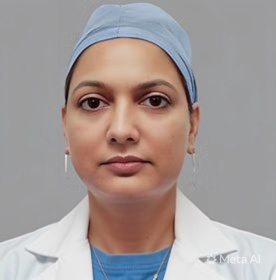
Dr. Seema Desai Anaesthesiologist in Vadodara brings 19 years of experience in anaesthesia as a consultant at Marengo Asia Hospitals in Vadodara. She holds an MBBS and an MD in Anaesthesiology. Her expertise lies in ensuring patient comfort and safety during surgeries and procedures. From the first assessment to recovery, she works alongside surgeons and nursing teams so that every patient is looked after at each stage of care.
Qualifications
- MD (Anaesthesiology)
- MBBS
Areas of Expertise
- Anaesthesia
- Patient Comfort and Safety During Surgeries and Procedures
Safety First: How Anaesthesia Is Monitored
Modern anaesthesia relies on continuous monitoring. Throughout a procedure, the anaesthesia team tracks heart rate, blood pressure, oxygen levels, breathing, and other measures, and adjusts medicines as needed. Equipment checks, a clear plan, and good communication within the operating team all add to safety. Patients can help by sharing complete information about their health, medicines, allergies, and past reactions to anaesthesia. Accurate information allows the anaesthesiologist to choose the safest approach.
Anaesthesia for Different Procedures
The type of anaesthesia depends on the procedure and the patient. Major operations commonly use general anaesthesia, which provides a controlled sleep. Procedures on the lower body, such as many orthopedic, gynaecological, and urological operations, may use spinal or epidural anaesthesia, which numbs the lower body while the patient remains awake or sedated. Nerve blocks can numb a specific area and help with pain relief afterwards. Minor procedures may need only local anaesthesia or light sedation. Your anaesthesiologist will recommend an option and explain why, and you can discuss your preferences before the day of the procedure.
Common Concerns Patients Have
It is natural to feel nervous before anaesthesia. Common questions include whether you will wake up on time, whether you will feel pain, and what side effects to expect. Anaesthesia is planned to keep you pain-free during the procedure, and most patients wake up soon after it ends. Some feel drowsy, nauseated, or have a sore throat for a short time, and these effects are usually temporary and treated. Tell your anaesthesiologist about any fears, previous bad experiences, or family history of anaesthesia problems, so the plan can be adjusted. Ask as many questions as you need.
Recovery After Anaesthesia
After the procedure, patients are observed in a recovery area until they are awake and stable. Pain relief, nausea control, and breathing support are managed during this time. Once you are back in your room, follow the instructions about eating, drinking, and activity. Have someone with you for the first day, avoid driving, important decisions, or alcohol until your doctor says it is safe, and report severe pain, persistent vomiting, breathing difficulty, or fever promptly.
Choosing an Anaesthesiologist in Vadodara
Before booking surgery, find out who will give your anaesthesia, which type is planned, and what to expect afterwards. The anaesthesiologist is as important to your safety as the surgeon. A good anaesthesiologist explains the plan in plain language, listens to your concerns, and answers your questions. When looking for an anaesthesiologist in Vadodara, check qualifications and years of practice, which are listed on this page for Dr. Desai.
Preparing for Your Procedure
Follow fasting and medicine instructions exactly as advised, since they differ from patient to patient. Tell the team about supplements, allergies, smoking or alcohol use, and conditions such as diabetes, high blood pressure, or breathing problems. Carry earlier reports, remove jewellery, and arrange for someone to accompany you home.
Consult Dr. Seema Desai at Marengo Asia Hospitals in Vadodara
Searching for Dr. Seema Desai Anaesthesiologist in Vadodara? She is a consultant anaesthesiologist at Marengo Asia Hospitals in Vadodara. Her OPD is open Monday to Saturday, by appointment. If you are planning a procedure or would like to discuss your anaesthesia options, contact Marengo Asia Hospitals to schedule your visit. Please carry your prescriptions and earlier reports.