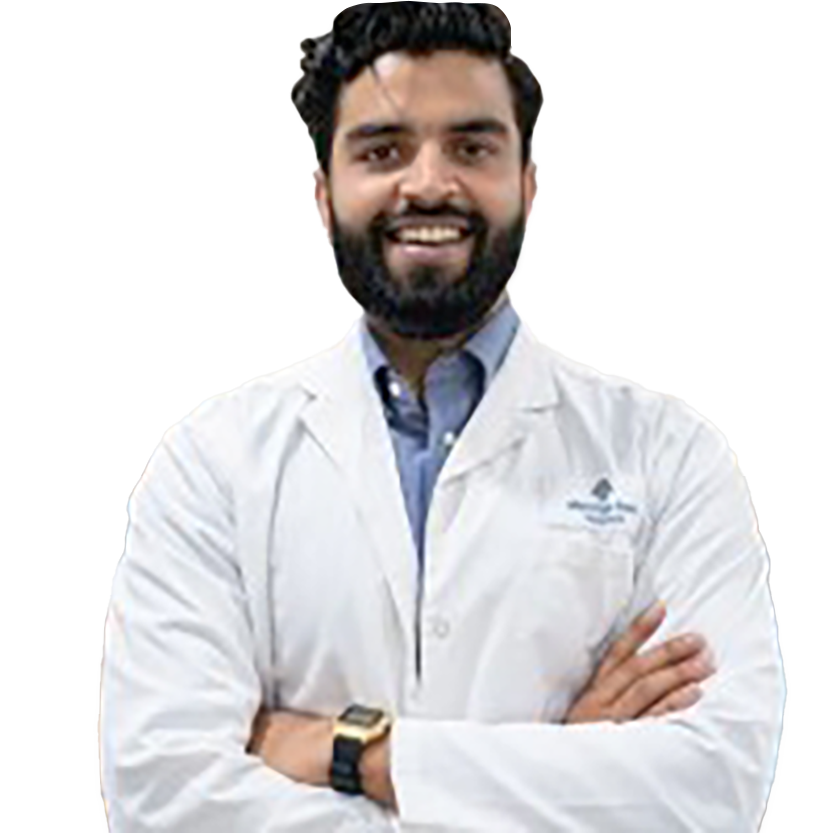
Dr. Saurabh Singh is a physiotherapist in Gurugram with more than 9 years of experience in clinical and managerial roles. At Marengo Asia Hospitals, he leads neuro rehabilitation, helping patients recover movement, independence, and confidence after a stroke, spinal cord injury, brain injury, or other neurological condition. He also has experience in orthopaedic rehabilitation and in early mobilisation of patients in intensive care. If you are looking for a rehabilitation specialist in Gurugram for yourself or a family member, he combines hands-on clinical skill with experience in building treatment plans around each patient’s needs.
Qualifications and Training
- MPT (Neurology): Indian Spinal Injuries Centre, Delhi
- BPT: University of Delhi, IPH
Areas of Expertise
Neuro Rehabilitation
Neuro rehabilitation helps people regain function after damage to the brain or nervous system. Dr. Saurabh Singh works with patients recovering from:
- Stroke
- Spinal cord injury
- Traumatic brain injury (TBI)
- Parkinson’s disease
Critical Care Rehabilitation
He has experience in early mobilisation of ICU patients, helping them begin gentle movement as soon as it is safe, along with complex rehabilitation after surgery.
Orthopaedic Rehabilitation
His work also covers rehabilitation for bone, joint and muscle problems, helping patients return to daily activity after injury or surgery.
Team Leadership and Clinical Operations
He supervises multidisciplinary teams of physiotherapists, occupational therapists and speech therapists, and manages therapy schedules and patient tracking systems so that every patient receives timely, consistent care.
Work Experience
- Therapy Lead: Healthcare at Home, Gurugram
- Clinical Lead: Bliss Well Care, Gurugram
- Physiotherapist: Medanta The Medicity, Gurugram
Key Achievements
- Patient-centred rehab protocols: Designed and implemented customised protocols, which his profile credits with a 35% improvement in recovery timelines
- Operational improvement: Transformed therapy scheduling through customised tracking systems
- Growth of the service: Played a strategic role in opening new rehab beds and supporting the administration in centre expansions
- Quality leadership: Developed therapist KPIs, onboarding SOPs and structured performance improvement processes
What Does a Neuro Physiotherapist Do?
A neuro physiotherapist helps people recover after conditions that affect the brain, spinal cord and nerves. They assess strength, balance, coordination, walking and daily function, then plan exercises and training to rebuild these skills. They also teach patients and families how to practise safely at home. Because recovery often takes months, steady guidance matters as much as the sessions themselves.
Stroke Rehabilitation
After a stroke, many people have weakness on one side, balance problems, or difficulty walking and using their hands. Rehabilitation usually starts as early as the medical team considers safe, because the brain is most responsive in the early weeks. Therapy focuses on repeated, task-based practice, and it works best alongside occupational and speech therapy.
Spinal Cord Injury Rehabilitation
A spinal cord injury can affect movement, sensation, and bladder and bowel control. Rehabilitation aims to build as much strength and independence as possible, teach safe transfers and mobility, and prevent complications such as pressure sores and stiffness. Dr. Saurabh Singh trained in neurology at the Indian Spinal Injuries Centre, a name widely associated with spinal injury care.
Traumatic Brain Injury Rehabilitation
Recovery after a brain injury can involve weakness, balance problems, fatigue and changes in thinking. Therapy is paced carefully and adjusted as the patient improves. A team approach, with physiotherapy, occupational therapy and speech therapy working together, helps address all these areas.
Parkinson’s Disease and Physiotherapy
Parkinson’s disease causes stiffness, slowness, tremor and balance difficulty. Physiotherapy cannot cure it, but regular, targeted exercise can help maintain movement, improve walking and reduce the risk of falls. Many people find that starting therapy early and continuing it long-term gives the best results.
Early Mobilisation in the ICU
Lying in bed for long periods weakens muscles and can slow recovery. Where it is safe, gentle movement for ICU patients, such as sitting up, moving the limbs, or standing with support, may help preserve strength and speed their return to independence. This is done under close medical supervision and tailored to each patient.
Rehabilitation After Surgery
After major or complex surgery, structured rehabilitation helps restore movement, reduce stiffness, and rebuild strength. Your surgeon and physiotherapist will agree on a plan with clear stages, so you know what to do and when.
Why a Multidisciplinary Team Matters
Recovery is rarely about one skill. Physiotherapists work on movement, occupational therapists on daily tasks such as dressing and cooking, and speech therapists on communication and swallowing. When these specialists plan together, patients make progress faster and avoid duplicated or conflicting advice.
How Families Can Support Rehabilitation
Family support makes a real difference. You can help by attending sessions when possible, learning how to assist safely with exercises and transfers, encouraging regular practice at home and celebrating small gains. It is also important to look after your own health, since caring for someone in recovery can be tiring.
Signs That You or a Family Member May Need Rehabilitation
Consider speaking to a doctor about rehabilitation if you notice:
- Weakness, numbness or loss of balance after a stroke, injury or illness
- Difficulty walking, standing or using an arm or hand
- Stiffness, tremor or slowness of movement
- Weakness or reduced mobility after a long hospital stay
- Slow recovery after surgery
Seek emergency care straight away for sudden weakness, facial drooping, slurred speech, severe headache or loss of consciousness.
Preparing for Your First Rehabilitation Visit
Bring your reports, scans and discharge summaries, along with a list of your current medicines. Wear comfortable clothing, and note your main goals, such as walking independently, using your hand again, or returning to work. Clear goals help the team build a plan that matters to you.
Book a Consultation with Dr. Saurabh Singh
If you or a family member is recovering from a stroke, spinal cord injury, brain injury, Parkinson’s disease, or a long illness, you can consult Dr. Saurabh Singh at Marengo Asia Hospitals, Gurugram. His OPD runs Monday to Saturday, 10:00 AM to 5:00 PM.