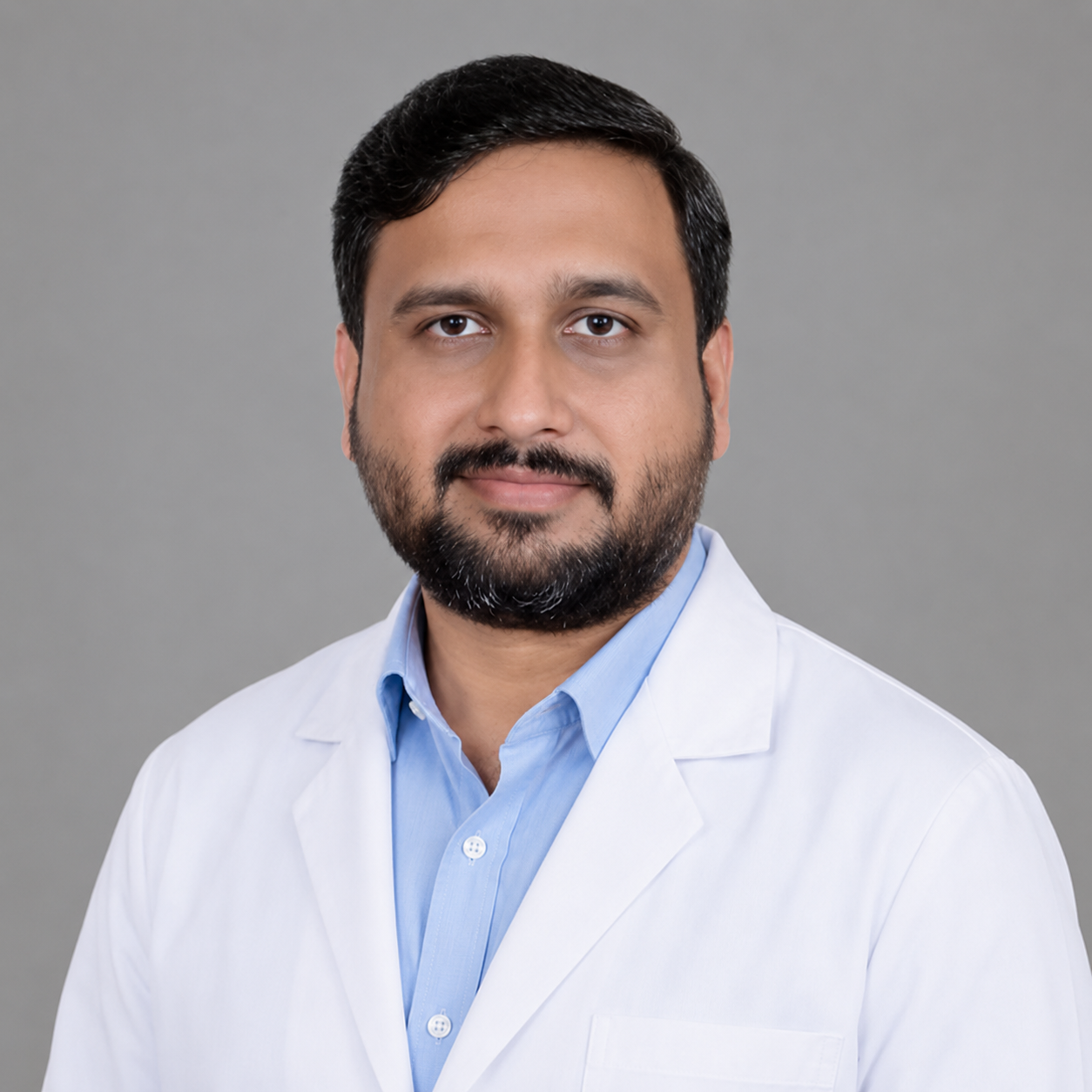
Patients looking for Dr. Sanket Sariya Interventional Cardiologist in Vadodara will find a super-specialist consultant with 8 years of experience, practising at Marengo Asia Hospitals, Vadodara. He holds an MBBS, an MD in Medicine, and a DM in Cardiology. He specialises in minimally invasive cardiac procedures, with a focus on protecting and improving heart health.
Qualifications
- DM (Cardiology)
- MD (Medicine)
- MBBS
Areas of Expertise
- Interventional Cardiology
- Minimally Invasive Cardiac Procedures
Minimally Invasive Cardiac Procedures: What They Mean for You
The role of Dr. Sanket Sariya Interventional Cardiologist at Marengo Asia Hospitals in Vadodara centres on minimally invasive procedures. In these procedures, a thin tube called a catheter is passed through a blood vessel, often at the wrist, to reach the heart, so no large cut in the chest is needed. Compared with open surgery, this approach generally means smaller wounds and an earlier return to normal activity, though the benefit depends on your condition. Not every heart problem can be treated this way, and your cardiologist will explain which route suits you.
Coronary Artery Disease: Causes, Symptoms and Treatment Options
Coronary artery disease develops when fatty deposits narrow the arteries that supply the heart muscle. Symptoms include chest pain or tightness on exertion, breathlessness and unusual tiredness, although some people have no warning signs. High blood pressure, diabetes, high cholesterol, smoking and a family history raise the risk. Treatment ranges from medicines and lifestyle changes to a catheter-based procedure or bypass surgery, depending on how severe the narrowing is and how it affects you.
Heart Attack: Recognising the Signs and Acting Fast
A heart attack occurs when blood flow to part of the heart muscle is suddenly blocked. Typical signs are chest pain or pressure that may spread to the arm, jaw or back, with sweating, nausea or breathlessness. Some people, particularly women and people with diabetes, may have milder or unusual symptoms. Treat these signs as an emergency. Call for help or go to the nearest emergency department straight away, and do not drive yourself. Opening a blocked artery quickly protects the heart muscle.
Medicines, Stents or Bypass: How the Choice Is Made
There is no single answer for every patient. Your cardiologist considers your symptoms, test results, the position and severity of any blockages, other illnesses such as diabetes, and your preferences. Some patients do well on medicines and lifestyle changes alone. Others benefit from a stent, a small mesh tube that keeps an artery open. Some need bypass surgery. Ask your doctor to explain the reasons for the recommendation and the alternatives, and consider a second opinion before a major decision.
After a Heart Procedure: Recovery and Follow-Up
Recovery after a catheter-based procedure is usually quicker than after open surgery, but follow-up remains essential. After a stent, you will usually be given blood-thinning medicines that must be taken exactly as prescribed, since stopping them early can be dangerous. Keep the puncture site clean and report bleeding, swelling, increasing pain, chest pain, breathlessness, or fainting. A heart-healthy diet, regular activity as advised, no smoking, and regular check-ups help protect the results.
Questions to Ask Your Cardiologist
When you consult an interventional cardiologist in Vadodara, a little preparation helps you get the most from the visit. Start by asking what your tests show and what the diagnosis means for you. Find out whether a procedure is needed now, what its benefits and risks are, and what could happen if you wait. Ask about recovery time, the medicines you will need and for how long, and the warning signs that mean you should seek urgent help. Bring your earlier reports, ECGs, scans, and prescriptions, along with a list of every medicine and supplement you take.
Consult Dr. Sanket Sariya at Marengo Asia Hospitals, Vadodara
Searching for Dr. Sanket Sariya Interventional Cardiologist in Vadodara? He is a superspecialist consultant at Marengo Asia Hospitals, Vadodara. His OPD is open on Tuesday, Thursday, and Saturday, 11:00 AM to 1:00 PM. If you have heart symptoms or would like to discuss your treatment options, contact us to arrange a visit. Please bring your prescriptions and earlier reports.