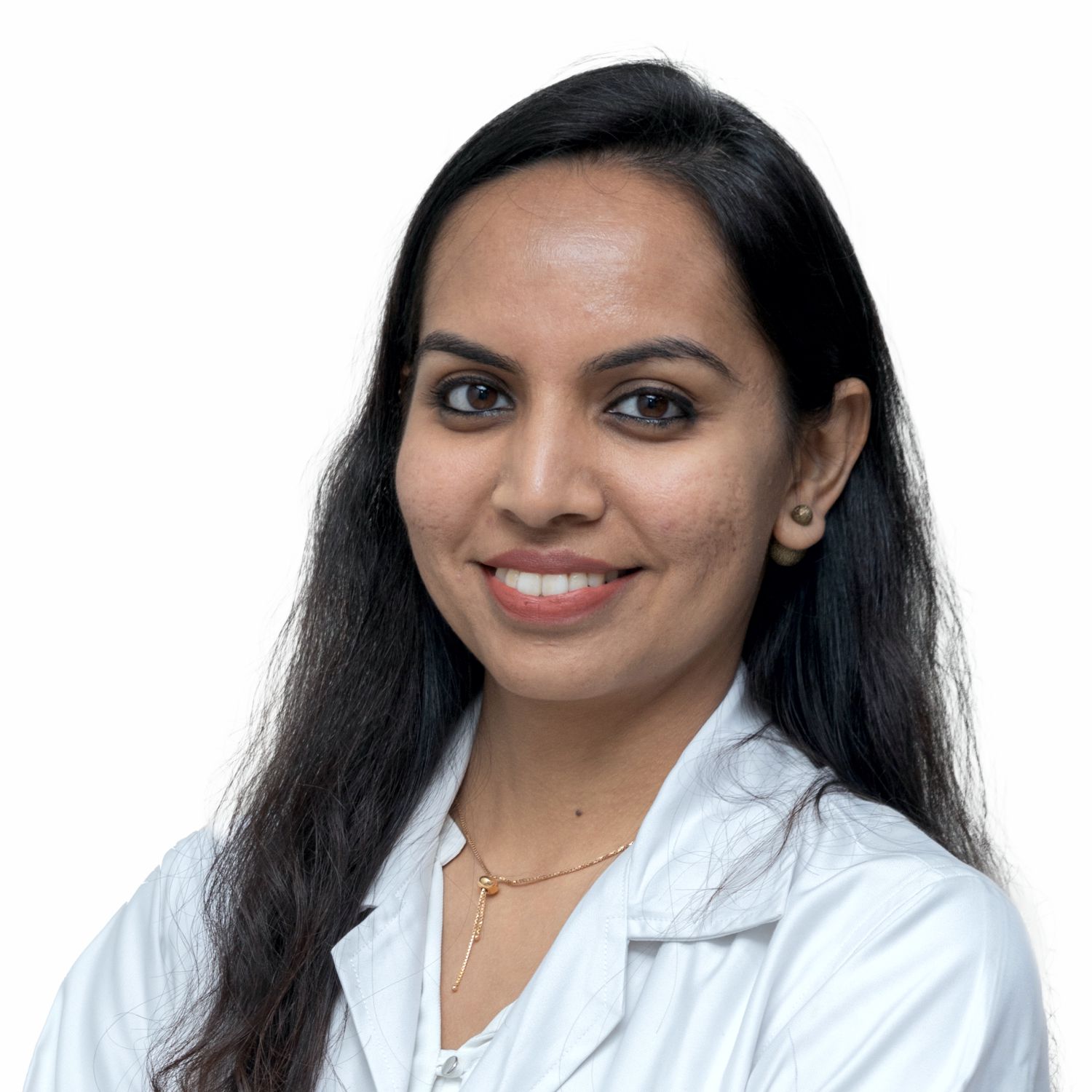
Dr. Prapti Patel Desai is a Cancer Doctor in Ahmedabad and a Radiation Oncologist with 7 years of experience. At Marengo Asia Hospital, she treats cancer with radiation, using advanced technologies that aim to deliver the dose precisely to the tumour while sparing healthy tissue. She completed her MD at Shri Aurobindo Institute of Medical Sciences, Indore, followed by a fellowship at Tata Memorial Hospital, Mumbai. Her work covers head and neck, breast, gynaecological, paediatric, neuro, and genitourinary tumours. If you are looking for a Cancer Doctor in Ahmedabad who is trained in modern radiotherapy, she offers an approach built around careful planning and clear explanations for patients and families.
Qualifications and Training
MBBS: Pramukhswami Medical College, Anand
MD (Radiation Oncology): Shri Aurobindo Institute of Medical Sciences, Indore
Fellowship: Tata Memorial Hospital, Mumbai
Areas of Expertise
Advanced Radiotherapy Techniques
Dr. Prapti Patel Desai is trained and experienced in advanced forms of radiation treatment:
IMRT (intensity-modulated radiotherapy): shapes the radiation beams to fit the tumour closely.
IGRT (image-guided radiotherapy): uses imaging before treatment to confirm the tumour’s exact position.
Stereotactic radiosurgery: delivers a high, highly focused dose to a small target.
Respiratory gating: times the radiation to the patient’s breathing, so moving tumours are targeted accurately.
Brachytherapy: places the radiation source close to or inside the tumour.
Tumour Types Treated
Head and neck cancers
Breast cancer
Gynaecological tumours
Paediatric oncology
Neuro-oncology
Genitourinary tumours
Awards and Recognition
What Does a Radiation Oncologist Do?
A radiation oncologist is a cancer doctor who plans and delivers radiotherapy. They decide whether radiation is suitable, work out the right dose and area to treat, supervise the treatment and look after the patient through side effects and follow-up. They work closely with surgeons, medical oncologists, radiologists and pathologists, so that treatment is planned together.
Radiotherapy: What Patients Should Know
Radiotherapy directs high-energy radiation at a tumour to damage cancer cells so they stop growing. The treatment itself is painless, like having an X-ray, and each session is usually short. Many courses are given over several days or weeks. Whether radiotherapy is right for you depends on your cancer type, its stage, and your general health, and your doctor will explain the aim of treatment, whether to cure the cancer, shrink it, or relieve symptoms.
IMRT and IGRT: Precision in Radiation Treatment
IMRT shapes the radiation dose to the tumour, which helps reduce the dose to nearby healthy tissue. IGRT adds imaging at each session, so the team can check that the tumour is in the planned position before treatment begins. Together, these techniques help make radiotherapy more accurate, which matters most when a tumour sits close to important organs.
Stereotactic Radiosurgery
Stereotactic radiosurgery delivers a high dose of radiation, very precisely, to a small area, usually in one or a few sessions. Despite the name, there is no surgical cut. It is used for suitable tumours, particularly in the brain, and your team will advise whether it applies to your case.
Respiratory Gating
Tumours in the chest and upper abdomen move as we breathe. Respiratory gating tracks this movement and delivers the radiation at a set point in the breathing cycle, which helps protect surrounding healthy tissue. The team will explain how to breathe during the session.
Brachytherapy
In brachytherapy, a radiation source is placed inside or next to the tumour, giving a high dose to a small area while sparing nearby tissue. It is commonly used for cancers such as those of the cervix, uterus and prostate. The team will explain how the procedure is done and what care is needed afterwards.
Radiotherapy for Head and Neck Cancers
Radiotherapy plays a major role in cancers of the mouth, throat and voice box, sometimes alone and sometimes alongside surgery or chemotherapy. Treatment can affect the mouth and throat, so dental checks, nutrition support and speech and swallowing advice are an important part of care.
Radiotherapy for Breast Cancer
Radiotherapy is often given after breast-conserving surgery to lower the chance of the cancer returning, and in some patients after mastectomy. Your team will explain which area will be treated and over how many sessions.
Radiotherapy for Gynaecological and Genitourinary Cancers
Radiation, including brachytherapy, is used in cancers of the cervix, uterus, vagina and vulva, and in cancers of the prostate and bladder. It may be combined with surgery or chemotherapy. Side effects depend on the area treated, and your team will help you manage them.
Radiotherapy for Children
Children need radiotherapy planned with great care, because their bodies are still growing. Treatment is often part of a combined plan with chemotherapy and surgery, delivered by a specialised team. Parents should feel free to ask about the aim of treatment, what to expect, and how the child will be supported.
Neuro-Oncology: Radiation for Brain Tumours
Radiation is a major treatment for many brain and spinal tumours, whether used alone or after surgery. Precision matters greatly here, which is why advanced techniques such as IMRT and stereotactic radiosurgery are used for suitable patients.
How Radiotherapy Is Planned
Before treatment starts, the team carries out planning, which usually involves scans to map the tumour and the surrounding healthy tissue. The area to be treated and the dose are carefully worked out, and you may be positioned in a particular way, sometimes with a mask or cushion, so that every session is delivered consistently. Planning takes time, so the first treatment may not begin immediately after the consultation.
What to Expect During Radiotherapy and Common Side Effects
Each session is typically brief, and you will lie still while the machine delivers the treatment. You will not see or feel the radiation. Side effects depend on the area treated and may include tiredness, skin changes, or local effects in the treated region, which your team will help you manage. Tell the team about any new symptoms rather than waiting for the next appointment.
Radiotherapy Alongside Surgery and Chemotherapy
Cancer treatment often combines methods. Radiation can be given before surgery to shrink a tumour, after surgery to treat any remaining cells, or alongside chemotherapy to make treatment more effective. A joint plan from a multidisciplinary team helps make sure each step supports the next.
Looking for a Cancer Doctor in Ahmedabad? Warning Signs to Know
See a doctor if you notice:
A lump or swelling that persists or keeps growing
A sore in the mouth or elsewhere that does not heal
Unexplained weight loss or ongoing tiredness
Persistent cough, hoarseness or difficulty swallowing
Unusual bleeding, such as in the stool, urine, or between periods
A change in the breast, such as a new lump, nipple change, or skin change
Persistent headaches with vomiting or changes in vision
Pain that has no clear cause and does not go away
Most of these symptoms are caused by conditions other than cancer, but only an examination can tell the difference.
Cancer Screening and Early Detection
Screening tests look for cancer or pre-cancer before symptoms appear, when treatment is usually simpler, and the outlook is better. Common examples include checks for cancers of the breast, cervix, and mouth, and colorectal screening. The right tests depend on your age, sex, family history, and risk factors, so ask your doctor which ones suit you.
Preparing for Your Consultation
If you have searched for “Cancer Doctor near me Ahmedabad”, a little preparation will help you get the most from your first visit. Bring your biopsy and pathology reports, scans, any surgical or chemotherapy records, and a list of your current medicines. Note your symptoms and questions beforehand, and consider bringing a family member who can listen and take notes. A clear picture of your history helps the team plan treatment more accurately.
Meet Dr. Prapti Patel Desai
If you have been diagnosed with a cancer that may need radiotherapy, or you want a second opinion on a treatment plan, you can consult Dr. Prapti Patel Desai at Marengo Asia Hospital in Ahmedabad. For families looking for a cancer doctor, an early and unhurried conversation about radiation options can make a frightening time easier to face. Her OPD runs Monday to Saturday, 10:00 AM to 5:00 PM.