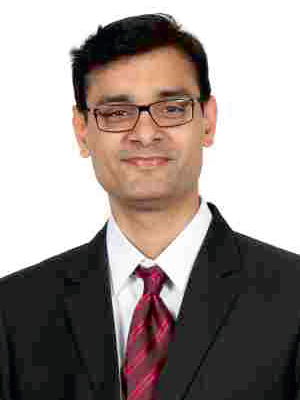
Chief Consultant Dr. Pranav A. Modi has been with Marengo Asia Hospital since 2013, working as a consultant thoracic and vascular surgeon. Before that, he served as an Assistant Professor at V.S. Hospital in Ahmedabad for almost nine years. A shadow on a lung scan or a blocked artery in the leg is rarely something a family expects to face, and they usually arrive with a stack of reports and many questions. When that happens, many families ask to be seen by Doctor Pranav A. Modi in Ahmedabad, because he looks after both the chest and the blood vessels, and he explains what is wrong and what the options are in plain words.
Qualifications
- MBBS, Smt. N.H.L. Municipal Medical College, Ahmedabad (1999)
- MS (General Surgery), Gujarat University (2003)
- MCh (CVTS), G B Pant Hospital, affiliated to Maulana Azad Medical College, Delhi (2007)
- Trained as a lung transplant surgeon in Vienna, Austria
Areas of Expertise
- Thoracic Surgery
- Thoracoscopic (Keyhole) Surgery
- Lung Cancer Surgery
- Lung Transplant
- Vascular Surgery
Awards and Recognition
- Best Thoracic Surgeon of Gujarat, Divya Bhaskar Group (2021)
Chest and Blood Vessels Under One Roof
The lungs, the chest wall and the blood vessels sit close together and often affect one another. A smoker may have both lung disease and narrowed leg arteries, and a person with a chest problem may also have heart or vessel disease. If you have typed Doctor near me in Ahmedabad into a search box because of a chest or circulation problem, the useful next step is to find a surgeon who treats both areas and who can tell you honestly whether surgery is needed at all. Many chest and vessel conditions are treated with medicines, scans and follow-up, and an operation is advised only when it is likely to help.
From Delhi to Vienna and Back
After his MBBS and MS in Ahmedabad, he spent some months at the U N Mehta Institute of Cardiology and Research, Ahmedabad, before going on to the national entrance exam for super-specialty training. He then completed his MCh in cardiovascular and thoracic surgery at G B Pant Hospital, Delhi, and later trained in lung transplant surgery in Vienna. Years of teaching as an Assistant Professor sit alongside this training, and they show in the way he explains things to patients.
What Happens at Your First Visit
A consultation with Dr. Pranav A. Modi begins with a conversation about your symptoms, how long you have had them, your smoking history, your work, your medical history, and your medicines. He will examine your chest, your pulses, and your legs, and review your reports. A chest X-ray, a CT scan, a breathing test, a Doppler study of the vessels, or blood tests may be suggested. Please bring your actual scan films or discs along with the reports, since the images matter, and bring a family member to listen with you.
Chest Symptoms Worth Checking
A cough that lasts more than three weeks, coughing up blood, breathlessness on simple tasks, chest pain that is not settling, a hoarse voice that does not clear, repeated chest infections, unexplained weight loss, and swelling in the neck or face are all worth a proper check. Many have simple causes, but they should not be treated with cough syrups or leftover antibiotics for weeks. An early check gives you more treatment choices.
When a Shadow on the Lung Needs Answers
A shadow, spot, or nodule on a chest X-ray or CT scan does not always mean cancer. Old infections, tuberculosis, scars, and benign growths can look similar. The next step is usually a CT scan, sometimes a PET scan, and often a sample of the shadow, taken through the airways or with a needle. If lung cancer is found, treatment depends on the type and stage and is planned by a team that may include a surgeon, an oncologist and a radiation specialist. Surgery is an option when the cancer is early enough, and your lungs are strong enough to cope. Ask what the aim of the operation is and what recovery will be like.
Keyhole Surgery for the Chest
In thoracoscopic surgery, the surgeon works through a few small openings in the chest wall, using a camera and fine instruments, in place of one large cut. For suitable problems, this can mean less pain, a smaller scar, a shorter hospital stay and a quicker return to normal life. It can be used to take samples, treat fluid or infection around the lung and, in selected patients, to remove part of a lung. It is not right for every patient, and sometimes open surgery is safer. Your surgeon will explain which approach suits you.
Fluid, Pus and Infection Around the Lung
The lung is surrounded by a thin space that can fill with fluid or pus, causing breathlessness, chest pain and fever. Causes include pneumonia, tuberculosis, heart failure and cancer. Draining the fluid through a tube may be enough in some cases, while thick or infected collections may need surgery to clean the space and let the lung expand again. Do not delay if you have a fever with chest pain and breathlessness, since an untreated infection can become serious.
Lung Transplant: What Families Should Know
A lung transplant is considered for people with very severe lung disease who have run out of other options. It is a major step, and it depends on a full assessment of the lungs, heart, and general health, a suitable donor, and a strong support system at home. Dr. Modi has trained in lung transplant surgery in Vienna, and he can explain what the assessment involves and what lies ahead. Transplants in India follow a legal process, including approvals and donor allocation rules. After a transplant, medicines to prevent rejection and regular follow-up are needed for life.
Leg Pain and Blocked Arteries
Pain, cramping or heaviness in the calf or thigh when walking that eases with rest can be a sign of narrowed leg arteries, not just tiredness or age. Other clues include cold, pale or bluish feet, hair loss on the legs, slow-growing toenails and sores that take weeks to heal. Smoking, diabetes, high blood pressure and high cholesterol raise the risk. Many people improve with medicines, walking exercises and lifestyle changes, and some need a procedure or surgery to restore blood flow. Do not keep taking painkillers and cut down on walking.
Varicose Veins and Swollen Legs
Varicose veins appear as twisted, bulging veins, often with aching, heaviness, itching and swelling, which usually worsen by evening. Over time, some people develop skin darkening, eczema or ulcers near the ankle. Raising the legs, regular walking, avoiding long standing and, where advised, compression stockings help. See a doctor if you notice skin changes, a sore or sudden swelling of one leg, since a blood clot needs urgent attention.
Aneurysms, Neck Arteries and Clots
A bulge in a large artery, called an aneurysm, can develop silently for years and is dangerous if it bursts. Narrowing of the arteries in the neck can raise the risk of stroke. Blood clots in the deep veins of the leg can travel to the lungs. Risk goes up with smoking, high blood pressure, high cholesterol, long journeys, surgery and a family history. A scan can detect most of these problems, so ask your doctor whether screening makes sense for you.
Diabetes and the Foot
People with diabetes can have poor circulation and reduced feeling in the feet at the same time, so a small cut can turn into a serious wound without being noticed. Check your feet every day, wash and dry them well, wear well-fitting shoes, and never walk barefoot. See a doctor early for any blister, wound, redness or colour change. Prompt care can prevent infection and, in the worst cases, the loss of a toe or foot.
Getting Ready for Chest or Vessel Surgery
Your doctor will explain why surgery is advised, what it involves, what the risks are and what the alternatives are. Before the operation, you will have blood tests, scans, an ECG, a chest check and an anaesthesia assessment. Bring all your earlier reports and a full list of your medicines, especially blood thinners, aspirin and diabetes medicines, since some must be adjusted. Stopping smoking, even a few weeks beforehand, lowers the risk of complications. Ask every question you have, and ask a family member to be with you when the consent is explained.
Healing After Surgery
After surgery, you rest in a recovery area or ICU, where your breathing, pain, pulses and wounds are watched closely. After chest surgery, a drain may be placed for a short time, and breathing exercises are an important part of recovery. After vessel surgery, the colour, warmth, and pulses of the limb are checked regularly. You will be helped to sit and walk as soon as it is safe. If you were treated by Dr. Pranav A. Modi, keep every follow-up visit, since wound checks, scans and medicine changes are planned around them.
Warning Signs That Cannot Wait
Go to the nearest emergency department straight away for severe breathlessness, chest pain, coughing up a large amount of blood, a sudden painful, cold or pale limb, sudden weakness or trouble speaking, or a very painful swollen leg. After surgery, contact the team promptly for fever, increasing pain, redness or discharge from a wound, a drain that stops working, breathlessness, or a limb that turns cold or numb. Do not wait for an OPD day.
Booking an Appointment
To book a consultation with Dr. Pranav A. Modi at Marengo Asia Hospital in Ahmedabad, visit during OPD hours from Monday to Saturday, 8:00 am to 4:30 pm. Please bring your earlier chest X-rays, CT scans, Doppler reports, discharge summaries, and prescriptions, along with a list of all the medicines and supplements you take.