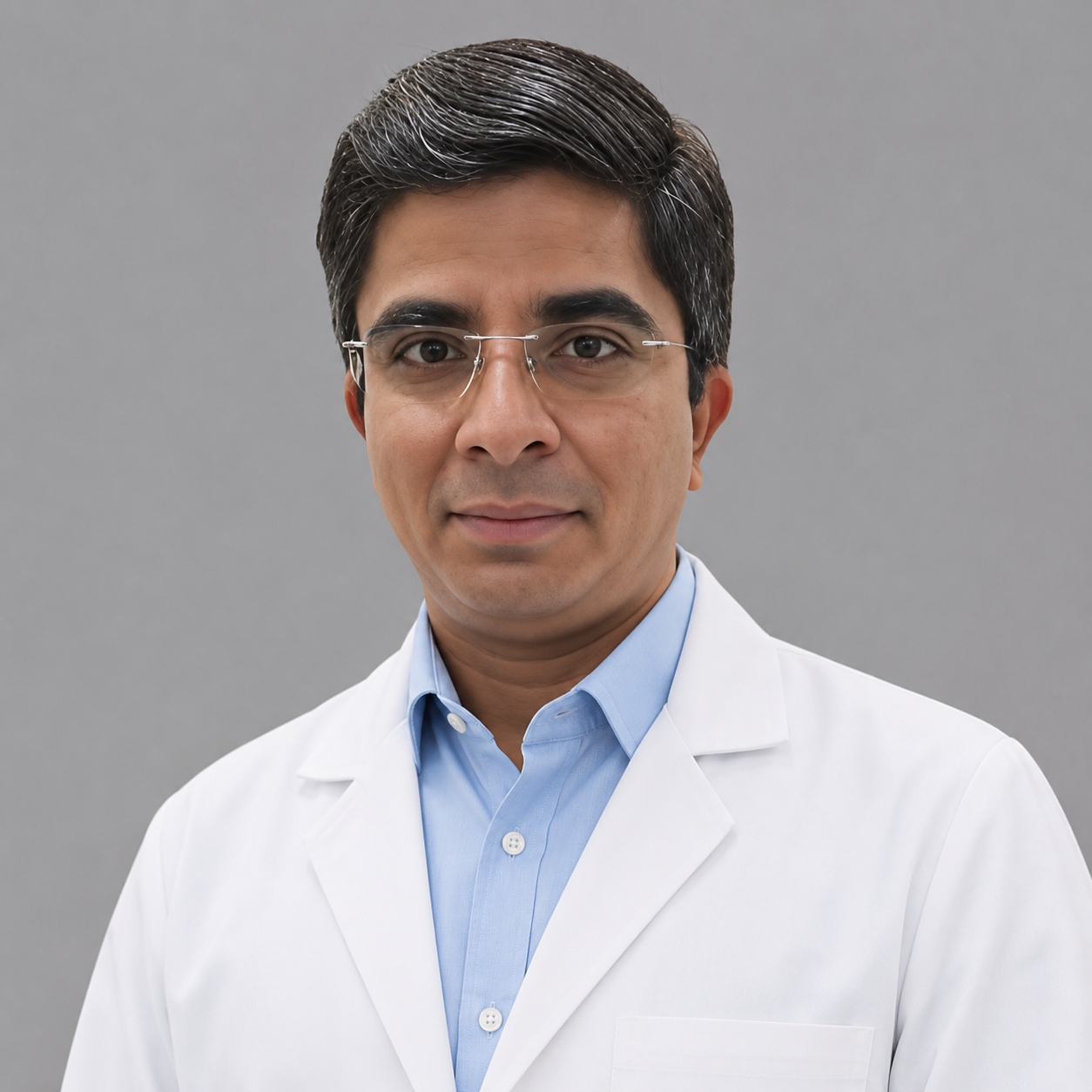
Senior Consultant Dr. Nasim Kureshi is an orthopedic surgeon in Vadodara with more than 10 years of experience in orthopaedics and trauma care. He specialises in advanced orthopaedic treatments and surgeries, and provides personalised care to patients with musculoskeletal conditions. Bone and joint pain can limit everything from work to a simple walk, so his focus is on finding the cause, explaining the options in plain words, and helping patients get moving again.
Qualifications
Areas of Expertise
- Orthopaedic Surgery
- Trauma Care
- Musculoskeletal Conditions
What Is an Orthopaedic Surgeon?
An orthopaedic surgeon is a doctor who treats problems of the bones, joints, muscles, ligaments and tendons. This includes fractures and injuries, arthritis, back and neck pain, sports injuries and conditions affecting the knees, hips, shoulders and feet. Treatment does not always mean surgery. Many problems improve with rest, medicines, exercises, physiotherapy, supports or a change in daily habits. If you are looking for an orthopaedic specialist in Vadodara, the first step is a proper assessment, so that surgery is advised only when it is likely to help.
What Happens at an Orthopaedic Consultation
A visit with Dr. Nasim Kureshi begins with a conversation about your symptoms, how long you have had them, what makes them better or worse, any earlier injuries, your medical history and the medicines you take. The doctor will watch how you walk and examine the affected area, checking movement, strength, and stability. X-rays or other scans may be suggested depending on what is found. Please bring your earlier films and reports. The aim is to explain what is causing the problem and which treatment suits you.
Bone and Joint Pain: When to See a Doctor
Pain that lasts more than a few weeks, morning stiffness, swelling, difficulty climbing stairs or getting up from a chair, a joint that gives way or locks, pain at night, and back or neck pain that spreads to an arm or leg are all worth getting checked. Avoid relying on repeated painkillers or injections without advice, and do not simply cut down on activity to cope with the pain. Seek urgent help for a sudden injury with severe pain, swelling, a visible deformity or being unable to put weight on a limb.
Fractures and Trauma Care
Fractures and serious injuries from road accidents, falls, sports or work need prompt, careful care. After an injury, keep the limb still, avoid putting weight on it, and do not try to straighten a deformed bone. Raising the limb and applying a cold pack wrapped in cloth can ease swelling while you travel for help. Some fractures heal with a cast or splint, while others need surgery to hold the bone in place. Your doctor will explain which is right and what recovery involves.
Arthritis and Bone Health
Joint pain and stiffness are common with age, but they are not something you simply have to live with. Staying active, keeping a healthy weight, doing the exercises you are shown and taking medicines as prescribed all help. Calcium, vitamin D and regular weight-bearing activity support strong bones, and bone weakness can be checked with a simple test. Ask your doctor about the best exercises for your joints, and about whether you need a bone health check.
Preparing for Orthopaedic Surgery
If surgery is advised, your doctor will explain why it is needed, what it involves, what the risks are and how long recovery may take. Before surgery, you will usually have blood tests, X-rays and a general health check, and the anaesthesia team will assess you. Bring all your earlier reports, scans and prescriptions, and share a full list of your medicines, especially blood thinners and diabetes medicines, since some may need to be adjusted.
Injuries and Symptoms That Cannot Wait
Most aches and strains can be looked at in a planned visit, but a few situations need care within hours. Head to the nearest emergency department if a limb looks bent or out of shape, if a bone has broken through the skin, if you cannot move your toes or fingers, or if a hurt leg simply will not take your weight. The same goes for a hand or foot that turns cold, pale or numb after an injury, and for severe pain that keeps climbing despite rest. Keep the limb as still as you can on the way, and ask someone to travel with you. If you have recently had surgery with Dr. Nasim Kureshi, call the team straight away for a fever, a wound that is leaking or turning red, a calf that is swollen and painful, or sudden breathlessness or chest pain.
Planning Your First Visit
A little preparation makes a short consultation much more useful. If you are looking for an orthopedic surgeon in Vadodara, you can see Dr. Nasim Kureshi at the OPD from Monday to Saturday, 10:00 am to 11:00 am. Carry any X-rays, MRI films, scans, and old prescriptions, even ones that seem unimportant, since they help the doctor see how the problem has changed. Write down when the pain started, what makes it worse, and which medicines or supplements you take. If the problem is in a leg, knee, or foot, wear comfortable clothes and bring the shoes you use daily. A family member can come along to help you remember the advice.