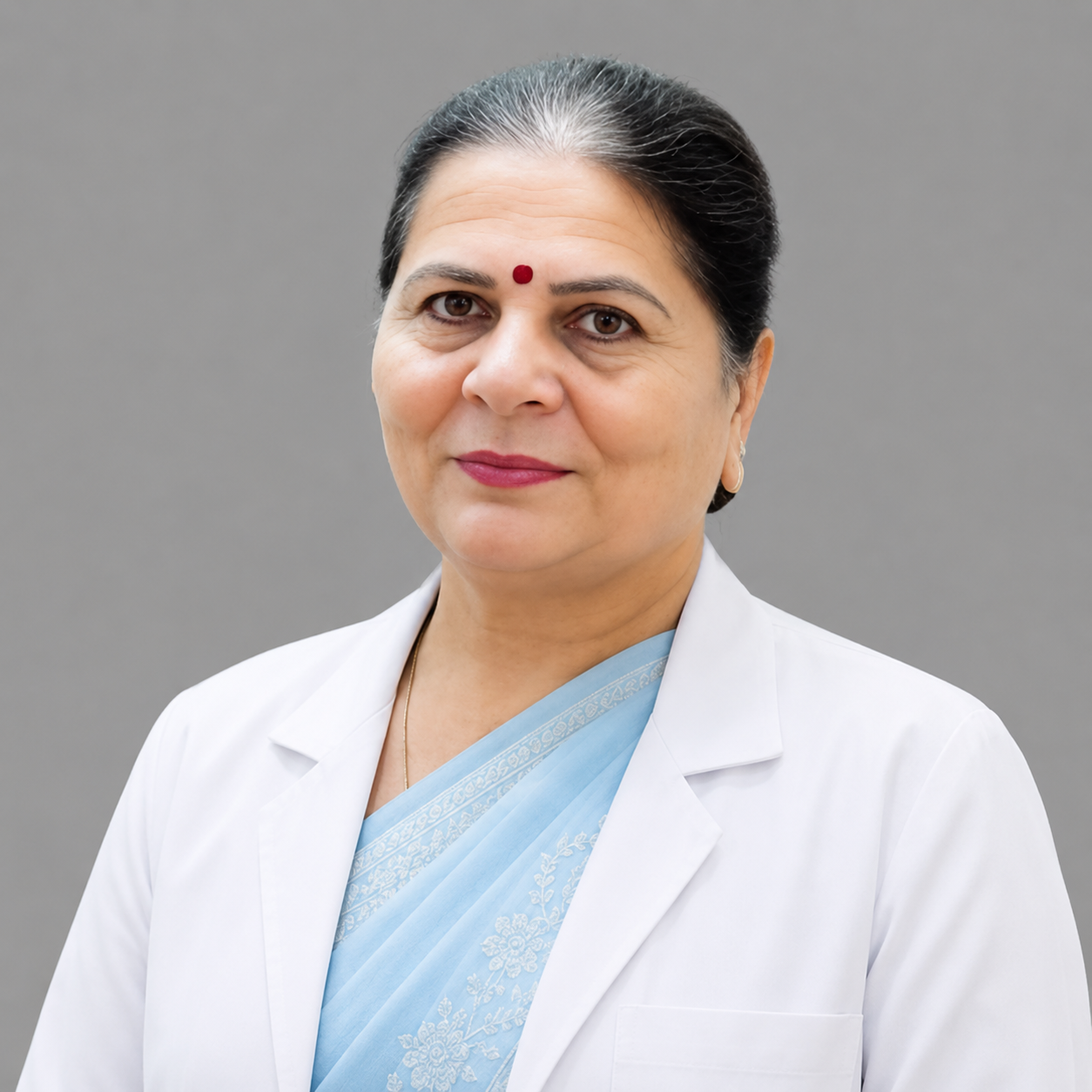
Women looking for a gynaecologist in Vadodara will find in Dr. Minaxi Patel a senior consultant with more than 35 years of experience in women's healthcare, practising at Marengo Asia Hospitals, Vadodara. She has treated more than 55,000 patients to date. She holds an MBBS, a DGO, an FMAS (OBGY) and an FICOG. Her expertise includes complex laparoscopic gynaecological surgery, and her care is built around personalised plans and clear explanations.
Qualifications
- FICOG
- FMAS (OBGY)
- DGO (Diploma in Gynaecology and Obstetrics)
- MBBS
Areas of Expertise
- Women's Healthcare
- Complex Laparoscopic Gynaecological Surgery
- Personalised, Comprehensive Care
Laparoscopic Gynaecological Surgery: Keyhole Treatment for Women's Health
A gynaecology specialist in Vadodara with laparoscopic training can treat many conditions through small cuts, using a thin camera and fine instruments. The camera gives a magnified view of the pelvis and womb on a screen. Compared with open surgery, keyhole surgery generally means smaller scars, less pain afterwards, and a quicker return to normal activity, though the benefit depends on the condition. It is used to diagnose and treat problems such as fibroids, ovarian cysts and endometriosis. Not every woman is suitable, and your gynaecologist will explain the options.
Heavy, Painful or Irregular Periods: When to Seek Help
Periods vary from woman to woman, but some changes need attention. See a doctor for very heavy bleeding, periods lasting longer than a week, severe pain that disrupts daily life, bleeding between periods or after intercourse, or periods that stop or become highly irregular. These symptoms have many causes, including hormonal changes, fibroids, and thyroid problems, so an examination and tests, such as an ultrasound, help find the reason. Bleeding after menopause always needs evaluation.
Fibroids, Ovarian Cysts and Endometriosis
Fibroids are non-cancerous growths in the womb. They may cause heavy periods, pelvic pressure or pain, or no symptoms at all. Ovarian cysts are fluid-filled sacs on the ovaries, and many settle by themselves. Endometriosis occurs when tissue similar to the womb lining grows elsewhere, often causing painful periods and pelvic pain. Treatment depends on symptoms, size, age, and plans for pregnancy, and it ranges from monitoring and medicines to surgery. Sudden severe pelvic pain needs urgent care.
Menopause: Symptoms and Support
Menopause is the end of menstrual periods, usually in the late forties or early fifties. Hot flushes, night sweats, sleep problems, mood changes, and vaginal dryness are common and can be eased. Support includes lifestyle changes, treatments chosen to suit you, and attention to bone and heart health. Speak to a doctor if symptoms affect your daily life, and never ignore any bleeding after periods have stopped.
Screening and Regular Check-Ups
Regular check-ups help detect problems early. Cervical screening with a Pap smear or HPV test can find changes in the cervix before cancer develops, and HPV vaccination protects suitable age groups. Know your own body, and report new breast lumps, nipple changes, or persistent pelvic pain without delay. Ask your doctor which checks suit your age and risk factors, and how often you need them.
What to Look for in a Women's Health Specialist
Check the doctor's qualifications and years of practice, which are listed on this page. Ask what the examination involves, whether surgery is needed now or medicines could be enough, and what recovery will be like. Choose someone who explains clearly, listens to your concerns, and makes you comfortable asking questions. A second opinion before surgery is always reasonable.
Preparing for Your Visit
Note the date of your last period, how regular your cycle is, and any pain, bleeding or discharge. Bring earlier reports, scans and prescriptions, and list all the medicines and supplements you take. Mention previous surgeries, pregnancies and any family history of gynaecological or breast conditions. If you wish, bring a family member or friend for support.
Consultation with Dr. Minaxi Patel
Consultations with Dr. Minaxi Patel are held at Marengo Asia Hospitals in Vadodara, Monday to Saturday, from 10:00 AM to 12:00 PM and from 5:00 PM to 7:00 PM. If you have a concern about your periods, pelvic pain, menopause, or a planned procedure, arrange your visit through the hospital and bring your reports and prescriptions.
```