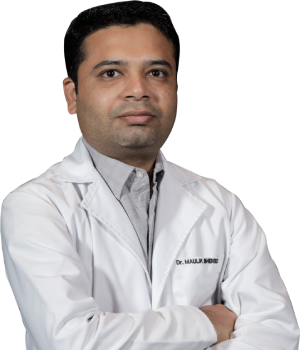
Dr. Maulik Bhensdadia is a Cancer Doctor in Ahmedabad and a Radiation Oncologist with 11 years of experience. He has been associated with Marengo Asia Hospital since the inception of its cancer department in 2014, treating a wide range of cancer patients who require radiotherapy.
He completed his MD in Radiation Oncology at the Gujarat Cancer and Research Institute (GCRI), Ahmedabad, and worked at Apollo CBCC Cancer Center, Ahmedabad, before joining the hospital in April 2014. If you are looking for a Cancer Doctor near me in Ahmedabad, or specifically for Cancer Doctor Maulik Bhensdadia in Ahmedabad, he offers radiotherapy for solid tumours along with an active commitment to cancer awareness, prevention, and early detection.
Qualifications and Training
- MBBS
- MD, Radiation Oncology / Radiotherapy (2010–2013): Gujarat Cancer and Research Institute (GCRI), Ahmedabad
Work Experience
- Marengo CIMS Hospital, Ahmedabad: Consultant Radiation Oncologist since April 2014, associated with the hospital since the inception of its cancer department.
- Apollo CBCC Cancer Center, Ahmedabad: Worked here before joining Marengo CIMS Hospital in 2014.
Areas of Expertise
Radiation Oncology and Radiotherapy
Radiation oncology uses controlled doses of radiation to destroy cancer cells while sparing healthy tissue as far as possible. Dr. Maulik Bhensdadia treats cancer patients who need radiotherapy as part of their care.
Solid Tumour Cancers
His work covers solid tumour cancers that require radiotherapy. Radiation may be used independently or combined with surgery and chemotherapy, depending on the type and stage of cancer.
Cancer Awareness, Prevention and Screening
Beyond treatment, he is actively involved in public awareness initiatives. His work includes:
- General awareness about cancer
- Cancer prevention
- Anti-tobacco awareness
- Cancer screening
Conferences and Academic Activity
Dr. Maulik Bhensdadia has participated in numerous local and regional Continuing Medical Education (CME) programmes and conferences. These academic activities help him stay updated with developments and advances in radiation oncology.
A Doctor Who Grew with the Cancer Department
Few doctors have been associated with a department from its early years. Since 2014, Dr. Maulik Bhensdadia has witnessed the growth of the cancer service at the hospital. This experience has given him a long-term understanding of how patients progress from diagnosis to treatment and follow-up.
Years of experience within the same healthcare setting also support coordination with surgeons, medical oncologists and the wider multidisciplinary care team, helping patients receive a more coordinated approach to cancer treatment.
What Does a Radiation Oncologist Do?
A radiation oncologist is a cancer specialist who plans and delivers radiotherapy. They assess whether radiation is suitable for a patient, determine the appropriate dose and treatment area, supervise treatment sessions and help manage side effects and follow-up care.
Radiation oncologists work closely with surgeons, medical oncologists, radiologists and pathologists to ensure that treatment decisions are coordinated and appropriate for the patient's condition.
Radiotherapy: What Patients Should Know
Radiotherapy directs high-energy radiation towards a tumour to damage cancer cells and prevent them from growing and dividing. The treatment itself is painless, similar to having an X-ray, and each session is generally brief.
Many radiotherapy courses are delivered over several days or weeks. Whether radiotherapy is appropriate depends on the type and stage of cancer and the patient's general health. The doctor explains the treatment's objective, which may be to cure cancer, shrink a tumour or relieve symptoms.
How Radiotherapy Is Planned
Before treatment begins, the medical team carries out detailed planning, which generally involves scans to map the tumour and surrounding healthy tissues. The treatment area and radiation dose are carefully calculated to ensure accuracy.
Patients may need to maintain a specific position during treatment so that each session can be delivered consistently. Since treatment planning requires time and precision, the first radiotherapy session may not begin immediately after the initial consultation.
What to Expect During Radiotherapy
Each radiotherapy session is typically brief. Patients lie still while the machine delivers radiation to the targeted area. They will not see or feel the radiation during the procedure.
Side effects vary depending on the area being treated and may include:
- Tiredness or fatigue
- Skin irritation or changes in the treated area
- Other local side effects depending on the treatment site
The medical team helps patients understand and manage these effects. It is important to report any new or unusual symptoms rather than waiting until the next scheduled appointment.
Radiotherapy Alongside Surgery and Chemotherapy
Cancer treatment often involves a combination of different approaches. Radiation therapy may be recommended before surgery to shrink a tumour, after surgery to target any remaining cancer cells, or alongside chemotherapy to improve treatment effectiveness.
A treatment plan developed by a multidisciplinary team helps ensure that each stage of cancer care supports the overall treatment objective.
Cancer Prevention and Anti-Tobacco Awareness
Several cancer risk factors are associated with lifestyle choices, and tobacco use is among the most significant. Quitting smoking and avoiding chewing tobacco can reduce the risk of cancers affecting the mouth, throat, lungs and several other organs.
Other preventive measures include:
- Following a balanced and nutritious diet
- Engaging in regular physical activity
- Limiting alcohol consumption
- Protecting the skin from excessive sun exposure
- Staying up to date with recommended vaccinations
People who use tobacco and want to quit should speak with a healthcare professional about available support and cessation options.
Cancer Screening: Why Early Detection Matters
Cancer screening tests help identify certain cancers or pre-cancerous changes before symptoms appear. Early detection can make treatment simpler and improve the chances of successful outcomes.
Common screening programmes include checks for breast, cervical, oral and colorectal cancers. The appropriate screening tests depend on factors such as age, sex, family history and individual risk factors. Consulting a doctor can help determine which screening tests are suitable.
Warning Signs That Need a Doctor's Attention
Certain persistent or unexplained symptoms should be evaluated by a healthcare professional. These may include:
- A lump or swelling that persists or continues to grow
- A sore in the mouth or elsewhere that does not heal
- Unexplained weight loss or persistent tiredness
- A persistent cough, hoarseness or difficulty swallowing
- Unusual bleeding, including blood in the stool or urine, or bleeding between periods
- A noticeable change in a mole or skin patch
- Pain with no clear cause that does not go away
These symptoms can occur due to several conditions other than cancer. However, a proper medical examination is important to identify the underlying cause.
Preparing for Your Consultation
Preparing for a cancer consultation can help patients make the most of their appointment. It is useful to bring the following documents and information:
- Biopsy and pathology reports
- Previous medical scans and imaging reports
- Records of earlier cancer treatments, if applicable
- A list of current medicines
- Details of symptoms and relevant medical history
- Questions or concerns to discuss with the doctor
Patients may also consider bringing a family member or trusted companion who can listen, take notes and help remember important medical instructions. A clear understanding of the patient's medical history helps the healthcare team plan treatment more accurately.
Meet Dr. Maulik Bhensdadia in Ahmedabad
If you have been diagnosed with a cancer that may require radiotherapy or want a second opinion about an existing treatment plan, you can consult Dr. Maulik Bhensdadia at Marengo Asia Hospital in Ahmedabad.
With 11 years of experience in radiation oncology and an association with the hospital's cancer department since 2014, he provides care for patients requiring radiotherapy for solid tumours. He is also actively involved in cancer awareness, prevention and early detection initiatives.
OPD Timings: Monday to Saturday, 10:00 AM to 5:00 PM.