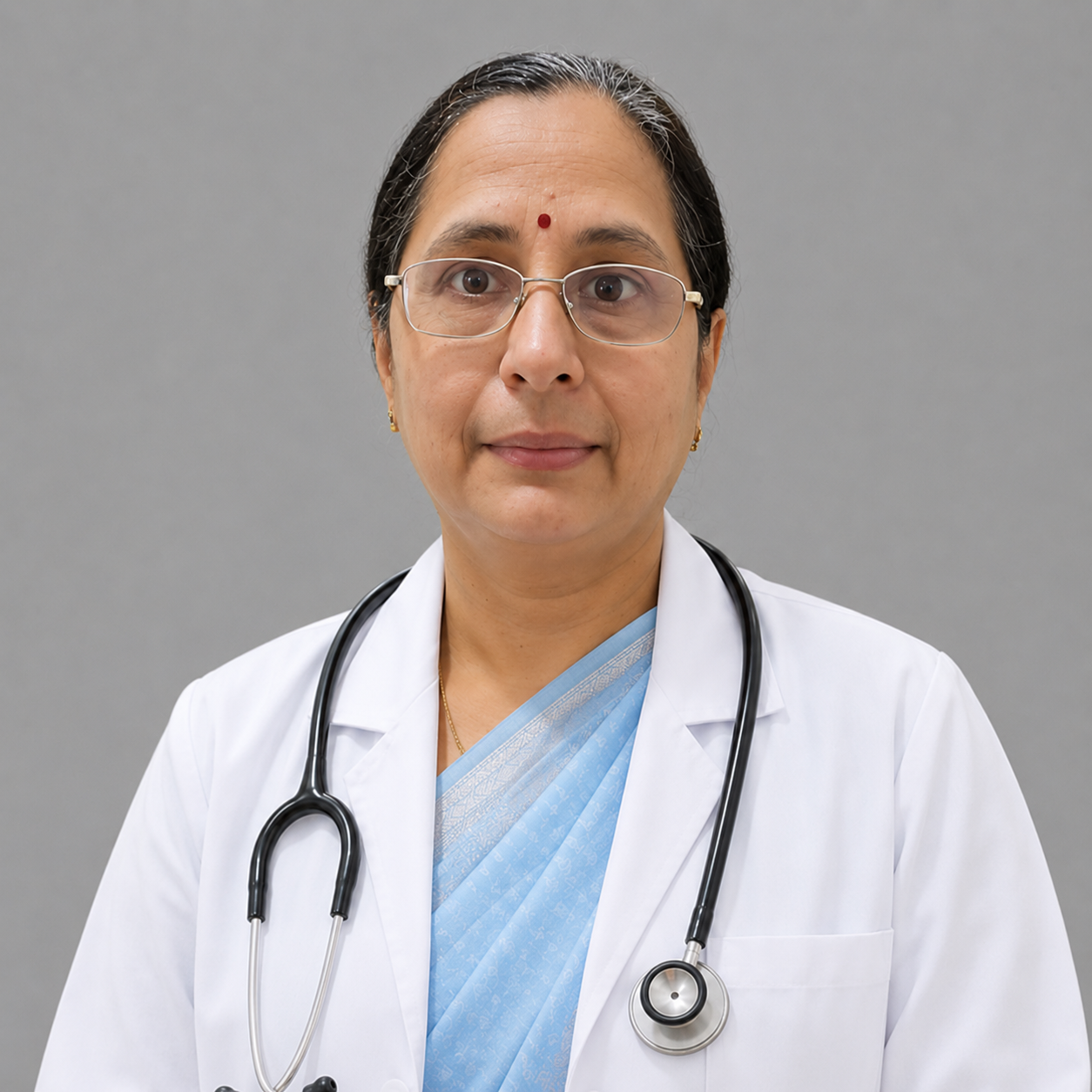
Dr. Madhu Iyer General Physician in Vadodara is a senior consultant with more than 20 years of experience in internal medicine, practising at Marengo Asia Hospitals, Vadodara. She holds an MBBS and an MD in Medicine and Diabetology. Her areas of expertise are complicated fevers, multi-organ illness, diabetes and cardio-metabolic disorders, and her work focuses on preventing and managing disease while working closely with patients to improve their quality of life.
Qualifications
- MD (Medicine, Diabetology)
- MBBS
Areas of Expertise
- Management of Complicated Fevers
- Multi-Organ Dysfunction
- Care of Diabetes
- Cardio-Metabolic Disorders
Complicated Fevers: When a Fever Needs More Than Paracetamol
A consultation with Dr. Madhu Iyer General Physician is advisable when a fever behaves unusually. Most fevers settle within three days, but see a doctor if a fever is very high, lasts longer than three days, keeps returning, or comes with a rash, severe headache, persistent vomiting, breathlessness, confusion, or bleeding. Infections such as dengue, malaria, typhoid, and urinary or chest infections can look alike at first, and they need the right tests rather than guesswork. Avoid taking antibiotics or steroids without advice, since they can hide the cause and delay diagnosis.
Illness Affecting More Than One Organ
Some serious infections and illnesses can strain several organs at once, such as the lungs, kidneys, liver, and circulation. This is called multi-organ dysfunction, and it needs prompt assessment because it can worsen quickly. Warning signs include fast breathing, very low blood pressure, reduced urine output, extreme drowsiness or confusion, and cold, clammy, or mottled skin. Go to the nearest emergency department straight away. Treatment targets the underlying cause and supports the failing organs, and some patients need intensive care.
Diabetes and the Heart: Understanding Cardio-Metabolic Disease
Diabetes rarely occurs alone. High blood sugar, raised blood pressure, abnormal cholesterol and excess weight often occur together, and the combination raises the risk of heart attack, stroke and kidney disease. This group of conditions is called cardio-metabolic disease. Looking at all of these factors together, rather than one at a time, gives a clearer picture of your risk and a more effective plan. Regular tests of sugar, cholesterol, blood pressure and kidney function help you and your doctor track progress.
Everyday Steps That Lower Cardio-Metabolic Risk
Small changes add up. Choose whole grains, vegetables, pulses and fruit, and cut back on sugar, refined flour, fried food and salt. Walk or exercise most days as your doctor advises, aim for a healthy weight, sleep well and avoid tobacco. Take medicines regularly, and check your blood sugar and blood pressure as advised. Do not stop or change diabetes medicines on your own, and tell your doctor if you have repeated low sugar episodes.
Preventing Disease Before It Starts
Prevention is a core part of general medicine. A check-up may include blood pressure, blood sugar, cholesterol, kidney and liver tests, with advice on diet, exercise and vaccination. Adults over 40, and those with a family history of diabetes, heart disease or cancer, benefit from regular screening. Early detection of a condition often means simpler treatment and a better outlook.
Finding a General Physician in Vadodara
When you look for a general physician in Vadodara, check the doctor's qualifications and years of practice, which are listed on this page. Choose someone who listens, explains the diagnosis clearly, and tells you what to watch for after you leave. Ask how follow-up will work, especially for diabetes or other long-term conditions, and consider a second opinion for a serious diagnosis.
Preparing for Your Consultation
Bring earlier reports, prescriptions, and a list of every medicine and supplement you take. If you have a fever, note the readings and how long it has lasted. If you have diabetes, bring your blood sugar records. Mention allergies, previous illnesses and operations, and any family history of diabetes or heart disease.
Planning Your Visit With Dr. Madhu Iyer
OPD sessions run on Mondays and Wednesdays, from 9:00 AM to 10:00 AM and from 4:00 PM to 5:00 PM, so plan your visit around these slots. To consult Dr. Madhu Iyer General Physician in Vadodara, contact Marengo Asia Hospitals and bring your recent blood reports and any fever or sugar charts you keep.