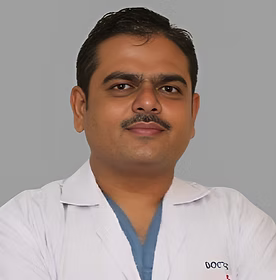
Dr. Ketan Dabhi Anaesthesiologist in Vadodara brings more than 20 years of experience in anaesthesia as a consultant at Marengo Asia Hospitals, Vadodara. He holds an MBBS and a PGD in Anaesthesiology. His work focuses on keeping patients safe and comfortable during surgical procedures, with effective pain management before, during, and after the operation.
Qualifications
- PGD (Anaesthesiology)
- MBBS
Areas of Expertise
- Anaesthesia
- Pain Management During Surgical Procedures
What Does an Anaesthesiologist Do?
Many people think the role begins when the patient falls asleep, but it starts well before. Before surgery, the anaesthesiologist reviews your medical history, current medicines and allergies, and explains the plan. During surgery, the anaesthesiologist continuously monitors breathing, heart rate, blood pressure, and oxygen levels, and adjusts medicines as required. After surgery, the anaesthesiologist helps manage your recovery and pain relief. This work makes it possible for surgeons to operate while patients remain comfortable and protected.
Types of Anaesthesia
Several types of anaesthesia are used, depending on the procedure and the patient. General anaesthesia puts the patient into a controlled sleep. Regional anaesthesia, such as spinal or epidural anaesthesia and nerve blocks, numbs a larger part of the body while the patient remains awake or lightly sedated. Local anaesthesia numbs a small area, and sedation helps patients relax during minor procedures. The choice depends on your health, the type and length of surgery, and your preferences, and the anaesthesiologist will discuss the options with you before the procedure.
Pain Management During and After Surgery
Good pain control helps recovery. Patients who are comfortable can breathe deeply, move earlier and rest better, which supports healing. Pain relief after surgery may combine medicines, nerve blocks and other techniques chosen to suit the operation and the patient. Let your care team know how you feel, because pain is easier to manage when it is treated early. Do not take extra painkillers without medical advice, as combining medicines can carry risks.
The Pre-Anaesthetic Check-Up
If you are planning surgery, a pre-anaesthetic check-up is an important step. Your anaesthesiologist reviews your history, earlier anaesthesia experiences, current medicines, allergies and test reports, and may advise further tests where needed. This is the time to ask questions and raise concerns, including any family history of problems with anaesthesia. Clear communication at this stage helps make the procedure safer and the recovery smoother.
Choosing an Anaesthesiologist in Vadodara
If you are planning surgery in the city, the anaesthesiologist is as important to your safety as the surgeon. Do not hesitate to ask who will give your anaesthesia, which type is planned, and what to expect before and after the procedure. A good anaesthesiologist explains the plan in plain language, listens to your concerns and answers your questions. Qualifications and years of practice are also worth checking.
Preparing for Your Surgery
Follow the fasting and medicine instructions given by your anaesthesiologist, since requirements differ for each patient. Tell the team about any medicines or supplements you take, allergies, smoking or alcohol use, and any health conditions such as diabetes, high blood pressure or breathing problems. Rest, light activity, and following the post-operative advice will help you recover.
Consult Dr. Ketan Dabhi at Marengo Asia Hospitals in Vadodara
Searching for Dr. Ketan Dabhi Anaesthesiologist in Vadodara? He is a consultant anaesthesiologist at Marengo Asia Hospitals in Vadodara. His OPD is open Monday to Saturday, by appointment. If you are planning surgery, or would like to discuss your anaesthesia options, contact Marengo Asia Hospitals, Vadodara, to schedule your visit. Please carry your prescriptions and earlier reports.