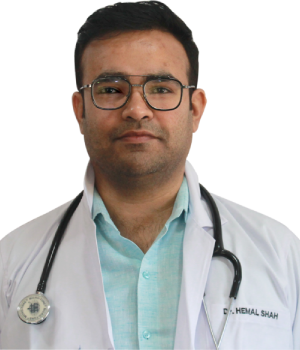
Dr. Hemal Shah is an ENT Doctor in Ahmedabad with 10 years of experience in ear, nose, throat, and head and neck surgery. At Marengo Asia Hospital, he takes a multidimensional approach to complex procedures and brings a range of skills to each case to improve patient outcomes. He is also known for constantly improving his department by adopting new technology and techniques. ENT Doctor Hemal Shah in Ahmedabad treats problems of the sinuses, ears, voice box, thyroid, salivary glands, tonsils, and sleep-related breathing, from routine conditions to surgeries at the skull base.
Qualifications and Training
- MBBS
- MS (Otorhinolaryngology)
Areas of Expertise
Transnasal Surgery: Skull Base and Endoscopic Sinus Surgery
Transnasal surgery reaches problems through the nose using a thin camera, which avoids cuts on the face. Dr. Hemal Shah performs both endoscopic sinus surgery and surgery at the skull base using this approach.
Endoscopic Ear Surgery
Endoscopic ear surgery uses a small camera to see inside the ear through the ear canal, giving the surgeon a clear, magnified view of the area being treated.
Vocal Cord Surgery
Vocal cord surgery is one of his areas of special interest. It is performed to treat problems that affect the voice, helping patients speak and breathe more comfortably.
Thyroid and Salivary Gland Surgery
He performs surgery on the thyroid gland in the neck and on the salivary glands, which produce saliva in the mouth and around the jaw.
Tonsil and Adenoid Surgery
His profile describes his tonsil and adenoid surgeries as bloodless and painless procedures, designed to make recovery as comfortable as possible, especially for children.
Obstructive Sleep Apnea Surgery
He carries out surgery for obstructive sleep apnea, a condition in which the airway repeatedly narrows or closes during sleep.
A Multidimensional Approach to Complex Procedures
Complex ENT problems rarely have a single cause, so one technique is seldom enough. Dr. Hemal Shah adapts his approach to each patient, drawing on different skills and the latest technology to plan the safest and most effective treatment. This willingness to keep learning is what he brings to the department as a whole.
What Does an ENT Doctor Do?
An ENT doctor, or otolaryngologist, treats conditions of the ear, nose, and throat, along with related structures of the head and neck. That includes hearing and balance problems, sinus and nasal disorders, voice and swallowing difficulties, thyroid and salivary gland conditions, and sleep-related breathing problems. Some conditions can be managed with medicines, while others need surgery.
Skull Base Surgery: What Patients Should Know
The skull base is the bony floor beneath the brain, and it sits close to important nerves and blood vessels. Operating in this area calls for great precision. When suitable, surgeons can now reach many problems through the nose using an endoscope, avoiding a large external cut. Whether this approach is right depends on the condition, and your surgeon will explain the options after reviewing your scans.
Endoscopic Sinus Surgery
Long-lasting sinusitis, nasal polyps or a blocked nose that does not respond to medicines may need surgery. In endoscopic sinus surgery, the surgeon opens the natural drainage passages of the sinuses using a thin camera through the nose. For many patients, this means better breathing and fewer infections, with no visible scars.
Ear Problems and Endoscopic Ear Surgery
Persistent ear discharge, hearing loss, a hole in the eardrum, or repeated infections can all be reasons to see an ENT surgeon. Endoscopic techniques let the surgeon work through the ear canal with a clear view, which can mean less tissue disturbed than in traditional approaches. Your doctor will advise whether surgery is needed.
Voice Problems and Vocal Cord Surgery
A hoarse voice that lasts more than a few weeks should not be ignored, especially if you smoke or use your voice heavily for work. Vocal cord problems can include growths, swelling, or weakness of the cords. An ENT examination, often with a small camera, shows what is happening, and treatment ranges from voice therapy and medicines to surgery.
Thyroid and Salivary Gland Conditions
A lump in the neck, swelling near the jaw or cheek, or pain while eating can point to a thyroid or salivary gland problem. Many lumps are harmless, but a proper examination and tests are needed to be sure. Early assessment helps find the cause and plan any treatment that is needed.
Tonsils and Adenoids in Children
Children with repeated sore throats, snoring, mouth breathing, or disturbed sleep may have enlarged or infected tonsils or adenoids. Surgery is usually considered when the problem keeps coming back or affects sleep and growth. Talk to your doctor about whether it is right for your child and what recovery involves.
Obstructive Sleep Apnea: When Snoring Is More Than Noise
Loud snoring with pauses in breathing, choking or gasping at night, and daytime sleepiness can be signs of obstructive sleep apnea. It can affect heart health, concentration, and quality of life. A sleep study helps confirm the condition, and treatment may include lifestyle changes, a breathing device, or surgery on the airway.
Symptoms That Need an ENT Doctor’s Attention
See a doctor if you notice any of the following symptoms:
- A blocked nose, facial pain, or a runny nose that lasts for weeks
- Ear pain, discharge, or hearing loss
- A hoarse voice that lasts more than three weeks
- A lump in the neck or swelling near the jaw
- Difficulty or pain while swallowing
- Loud snoring with pauses in breathing during sleep
- Repeated throat infections or nosebleeds
Seek urgent care for difficulty breathing, heavy nosebleeds that will not stop, or sudden loss of hearing.
Preparing for Your ENT Consultation
Bring any previous scans, hearing tests and reports, along with a list of your current medicines. Note how long you have had your symptoms, what makes them better or worse, and any past ENT surgery. These details help your doctor reach a clear diagnosis sooner.
Consult Dr. Hemal Shah at Marengo Asia Hospital
If a sinus, ear, voice, throat, or sleep problem has not settled, or you have been advised surgery and want a second opinion, you can consult Dr. Hemal Shah at Marengo Asia Hospital in Ahmedabad. His OPD runs Monday to Saturday, 10:00 AM to 5:00 PM.