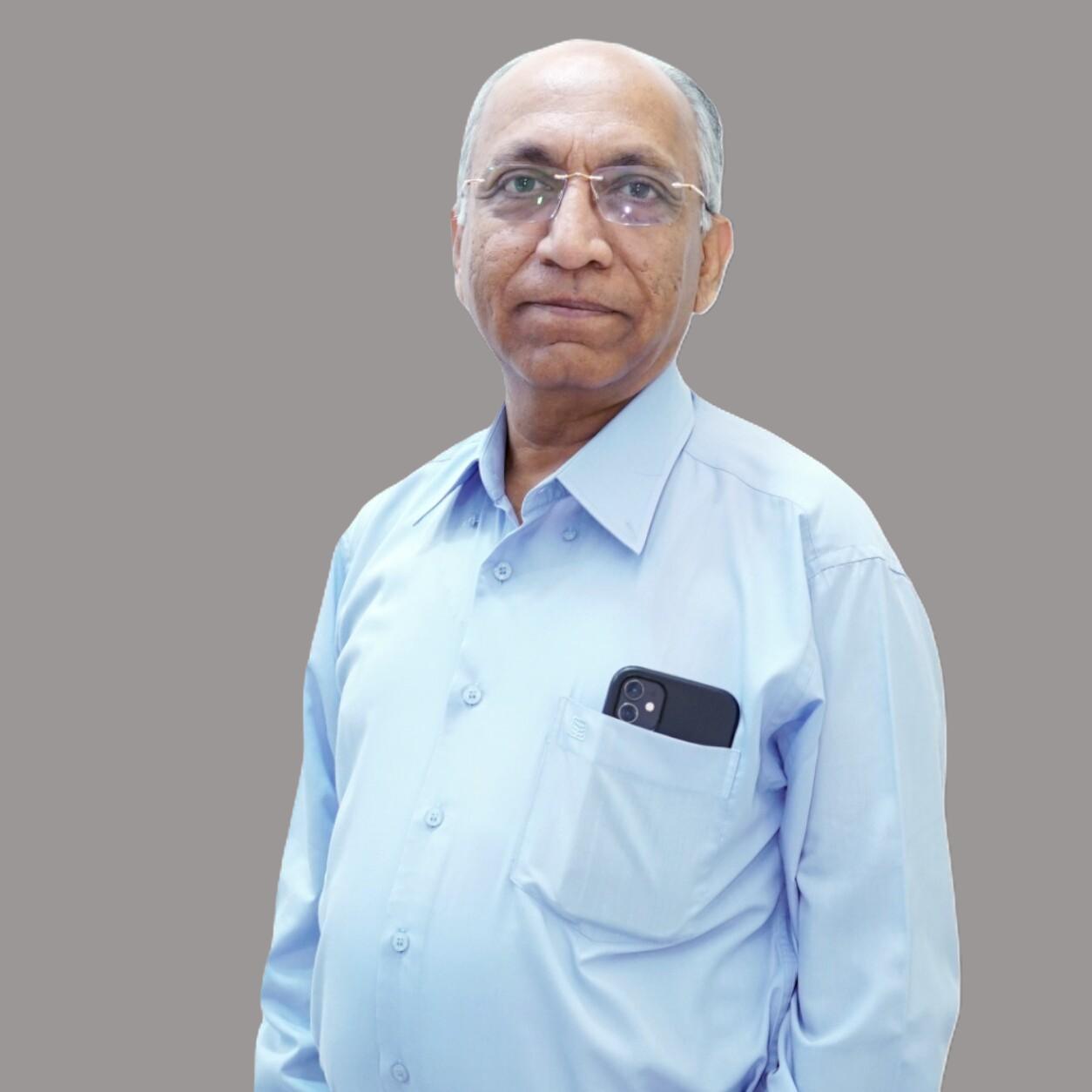
Dr. Bhikhubhai Patel is a senior consultant in general and laparoscopic surgery with almost 35 years of experience, practising at Marengo Asia Hospitals in Vadodara. He holds an MBBS, an MS in General Surgery, and an FMAS. He provides comprehensive surgical care with a focus on laparoscopic procedures, and he explains each option clearly so that patients can decide with confidence.
Qualifications
- FMAS
- MS (General Surgery)
- MBBS
Areas of Expertise
- General Surgery
- Laparoscopic Surgery
Laparoscopic Surgery: Smaller Cuts, Quicker Recovery
Dr. Patel works as a laparoscopic surgeon in Vadodara, operating through small cuts with a thin camera and fine instruments instead of one large incision. The camera relays a magnified view of the abdomen to a screen. Compared with open surgery, this approach generally means smaller scars, less pain afterwards, and an earlier return to normal activity, although the benefit depends on the condition. Not every patient is suitable, and sometimes the surgeon changes to an open operation for safety. The choice is made after a full evaluation.
Gallstones: Symptoms and When Surgery Helps
Gallstones form in the gallbladder and often cause no symptoms. When they do, the typical sign is pain in the upper right or middle abdomen, sometimes after a fatty meal, with nausea or vomiting. Stones can also cause infection or inflammation of the gallbladder. If stones cause repeated symptoms or complications, removing the gallbladder is the usual treatment, and it is commonly done laparoscopically. Seek urgent care for severe pain, fever, or yellowing of the eyes or skin.
Appendicitis: Why Speed Matters
Appendicitis is inflammation of the appendix. It often begins with pain around the navel that moves to the lower right abdomen, with loss of appetite, nausea, vomiting, and mild fever. The pain tends to worsen over hours. Do not wait it out, and do not take strong painkillers to mask it. An inflamed appendix can burst, which is serious, so see a doctor promptly. Surgery to remove the appendix is the standard treatment.
Abdominal Pain: When It Needs Urgent Attention
Most stomach aches settle by themselves, but some need urgent care. Go to the nearest emergency department for sudden severe pain, pain with a rigid abdomen, repeated vomiting, blood in vomit or stool, fever, a swelling that cannot be pushed back, or pain after an injury. Note when the pain began, where it is, and what makes it better or worse, since this helps the doctor decide quickly.
Hernias and Other Common Surgical Problems
A general surgeon also treats hernias, piles, fissures and fistulas, lumps and swellings, and problems of the thyroid and breast that need surgery. A hernia often appears as a bulge that grows when you cough or strain, and it does not heal by itself. Many of these conditions are managed first without surgery. Operations are advised only when they are the right option, after examination and, where needed, tests such as an ultrasound.
Finding a General Surgeon in Vadodara
When choosing a general surgeon in Vadodara, look at qualifications, years of practice, and the hospital's support, including anaesthesia, intensive care, and nursing. Ask whether surgery is really necessary now, what the alternatives are, and what recovery involves. A second opinion before a planned operation is always reasonable, and a good surgeon welcomes it.
Preparing for Surgery and Recovery
Bring earlier reports, scans and prescriptions, and list every medicine you take. Tell the team about allergies, previous operations and conditions such as diabetes, high blood pressure or heart disease. Follow the fasting and medicine instructions given. After surgery, walk early as advised, take medicines as prescribed, and avoid heavy lifting until your surgeon allows it. Report fever, increasing pain, redness or discharge from a wound, or persistent vomiting.
Meet Dr. Bhikhubhai Patel
Dr. Bhikhubhai Patel sees patients at Marengo Asia Hospitals in Vadodara, from Monday to Saturday, between 10:00 AM and 12:00 PM. Whether you need a second opinion or a first consultation, arrange your visit through the hospital and bring your reports, scans, and prescriptions.