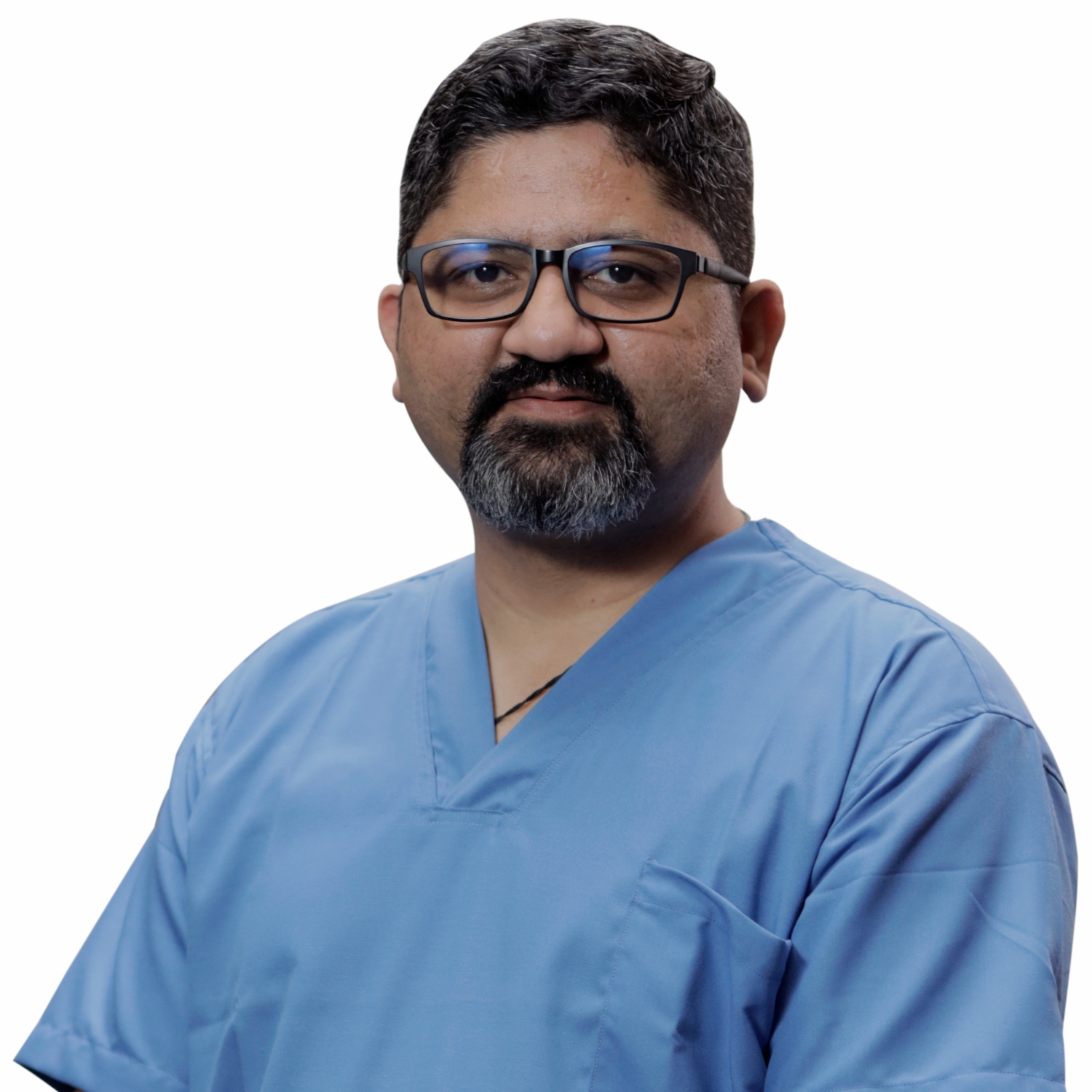
Consultant Dr. Bhavesh Thakkar brings more than 13 years of experience in gastroenterology and hepatology at Marengo CIMS Hospital in Ahmedabad. Stomach and gut problems are easy to ignore, and also easy to feel embarrassed about, so many people arrive after months of putting up with discomfort. Trusted Gastro Doctor Bhavesh Thakkar in Ahmedabad makes those conversations straightforward, explaining what could be causing the problem, which tests are really needed, and what the options are, all in plain words.
Qualifications
- MBBS, MP Shah Medical College, Jamnagar
- MD (Internal Medicine), MP Shah Medical College, Jamnagar
- DNB (Gastroenterology), Apollo Hospital, Chennai
Areas of Expertise
- Luminal Gastroenterology
- Diagnostic and Therapeutic Endoscopic Procedures
- Interventional Endoscopic Procedures
- ERCP (Endoscopic Retrograde Cholangiopancreatography)
- EUS (Endoscopic Ultrasound)
- POEM (Per Oral Endoscopic Myotomy)
- EMR and ESD (Endoscopic Mucosal Resection and Endoscopic Submucosal Dissection)
- Gastroenterology and Hepatology
Awards and Recognition
- Dr. S. K. Sama Gold Medal in DNB Gastroenterology (December 2012)
Professional Memberships
- Indian Society of Gastroenterology
- Society of Gastrointestinal Endoscopy of India
Stomach, Gut or Liver, Who Should You See
The digestive system runs from the food pipe to the bowel, and it includes the liver, gallbladder, and pancreas. A gastroenterologist is a doctor trained to diagnose and treat problems anywhere along this path, and many are also trained to carry out endoscopic procedures. If you are looking for a Gastro Doctor in Ahmedabad, a good starting point is any digestive symptom that has lasted more than a couple of weeks, keeps returning, or comes with weight loss or bleeding.
Your First Visit
A consultation with Dr. Bhavesh Thakkar begins with a conversation about your symptoms, when they began, how they relate to food, your bowel habits, your weight, your medicines, and any family history of digestive or liver disease. He will examine your abdomen and review your earlier reports. Depending on what is found, blood tests, a stool test, an ultrasound, a scan or an endoscopy may be suggested. Many problems need only medicines and diet changes, so tests are advised for a reason and not by default.
Symptoms That Deserve a Proper Check
Frequent heartburn, difficulty or pain on swallowing, ongoing upper abdominal pain, repeated vomiting, a feeling of fullness after a few bites, black or bloody stools, a change in bowel habits, ongoing diarrhoea or constipation, unexplained weight loss, yellow eyes or skin, and swelling of the abdomen are all worth checking. Avoid taking painkillers or acid-reducing tablets for weeks without advice, since they can hide the cause and delay treatment.
Acid, Heartburn and Reflux
Acid reflux happens when stomach contents flow back into the food pipe, causing a burning feeling in the chest, a sour taste or a cough at night. Smaller, earlier dinners, avoiding lying down soon after eating, raising the head of the bed, cutting down on spicy and fatty foods, and losing excess weight help many people. Heartburn that comes with trouble swallowing, weight loss, vomiting or black stools needs an examination and often an endoscopy.
Constipation, Loose Motions and Irritable Bowel
Bowel problems are common and often linked with food, stress, sleep and medicines. Fibre, fluids, regular meals and activity help many people. Irritable bowel syndrome causes cramps, bloating and a change in bowel habit without any visible damage to the bowel, and it is diagnosed after other causes have been ruled out. Blood in the stool, ongoing diarrhoea that wakes you at night, weight loss or a recent change after the age of 40 should be investigated and not just treated at home.
Looking After Your Liver
Fatty liver is now one of the most common liver problems, linked with weight, diabetes, high cholesterol and alcohol, and it often causes no symptoms. Hepatitis infections and long-term alcohol use can also damage the liver silently. A blood test and an ultrasound can pick up early changes. A healthy weight, regular activity, a balanced diet, limiting or avoiding alcohol, and vaccination against hepatitis where advised all protect the liver. Do not use herbal or home remedies for liver problems without medical advice.
Endoscopy and Colonoscopy in Plain Words
An endoscopy uses a thin, flexible tube with a camera to look inside the food pipe, stomach and the first part of the intestine. A colonoscopy looks at the large bowel in the same way. Both let the doctor see the lining directly, take tiny samples and, in many cases, treat the problem during the same procedure, such as stopping bleeding or removing a small growth. They are usually done with sedation, so you are comfortable. Ask why the test is advised, how you will feel, and what the risks are.
ERCP for the Bile and Pancreatic Ducts
Endoscopic retrograde cholangiopancreatography (ERCP) combines an endoscope with X-ray to look at the bile ducts and the pancreatic duct. It is used mainly to treat problems such as stones or narrowing in the bile duct, and it can relieve yellow skin caused by a blocked duct. Diagnosis is often made first with scans, so ERCP is mostly used to treat a problem that is already known. Like any procedure, it carries risks, including inflammation of the pancreas, bleeding, and infection, which your doctor will explain.
Endoscopic Ultrasound for a Closer Look
Endoscopic ultrasound (EUS) places a tiny ultrasound probe on the tip of an endoscope, so the doctor can look at the wall of the gut and the organs next to it, such as the pancreas, bile duct, and nearby lymph nodes, in great detail. It is used to examine growths and cysts, find the cause of unexplained pain or bile duct problems, and to take samples with a fine needle when needed. It is done with sedation, and most people go home the same day.
POEM for Swallowing Difficulty
Achalasia is a condition in which the muscle at the lower end of the food pipe does not relax, making it hard to swallow food and liquids. Symptoms include food sticking, regurgitation, chest discomfort, and weight loss. Per oral endoscopic myotomy (POEM) is a procedure in which the muscle is cut from inside, using an endoscope, with no cuts on the skin. Whether it suits you depends on your tests, and your doctor will explain the benefits, the risks, and the other options.
Removing Early Growths Through an Endoscope
Endoscopic mucosal resection (EMR) and endoscopic submucosal dissection (ESD) are techniques to remove early growths or abnormal areas from the lining of the gut without open surgery. They are used for suitable lesions in the food pipe, stomach, and bowel, and the removed tissue is sent for testing. Careful selection matters, since not every growth can be removed this way. Your doctor will explain why the procedure is advised, what the risks are, and what follow-up scopes will be needed.
Getting Ready for an Endoscopy
Your team will tell you when to stop eating and drinking, and which medicines to adjust, especially blood thinners, aspirin, and diabetes medicines. For a colonoscopy, you will be given a bowel preparation to take at home, and following it carefully is important for a clear view. Bring your earlier reports, and tell the team about allergies and earlier reactions to sedation. Arrange for someone to take you home, since you should not drive after sedation.
Going Home After a Procedure
After a procedure, you rest while the sedation wears off. A sore throat, mild bloating, or gas is common and settles within a day. You will be told when to eat, which medicines to restart, and which signs to watch for. Results of biopsies usually take a few days. If you were treated by Dr. Bhavesh Thakkar, keep your follow-up visit, since the results and next steps are discussed then.
Everyday Habits for a Healthy Gut
Eat regular meals, with plenty of fibre from vegetables, fruit, pulses and whole grains. Drink enough water, move daily and manage stress, since it affects digestion. Limit fried, very spicy, and processed foods, avoid tobacco, and keep alcohol low or nil. Do not take painkillers regularly without advice, as they can harm the stomach. Check your weight, and ask about screening, such as a colonoscopy, if you are over 45 or have a family history of bowel disease.
Digestive Symptoms That Cannot Wait
Go to the nearest emergency department straight away for vomiting blood, black or bloody stools with dizziness, severe or worsening abdominal pain, a hard swollen abdomen, repeated vomiting, inability to swallow even water, or yellow eyes with fever and pain. After a procedure, contact the team promptly for severe abdominal pain, fever, vomiting, black stools or bleeding, or trouble breathing. Do not wait for an OPD day.
Booking an Appointment
To book a consultation with Dr. Bhavesh Thakkar at Marengo CIMS Hospital in Ahmedabad, visit during OPD hours from Monday to Saturday, 11:00 am to 5:00 pm. On Saturdays, the OPD runs only until 3:00 pm. Please bring your earlier reports, endoscopy and scan records, and prescriptions, along with a list of all the medicines and supplements you take.