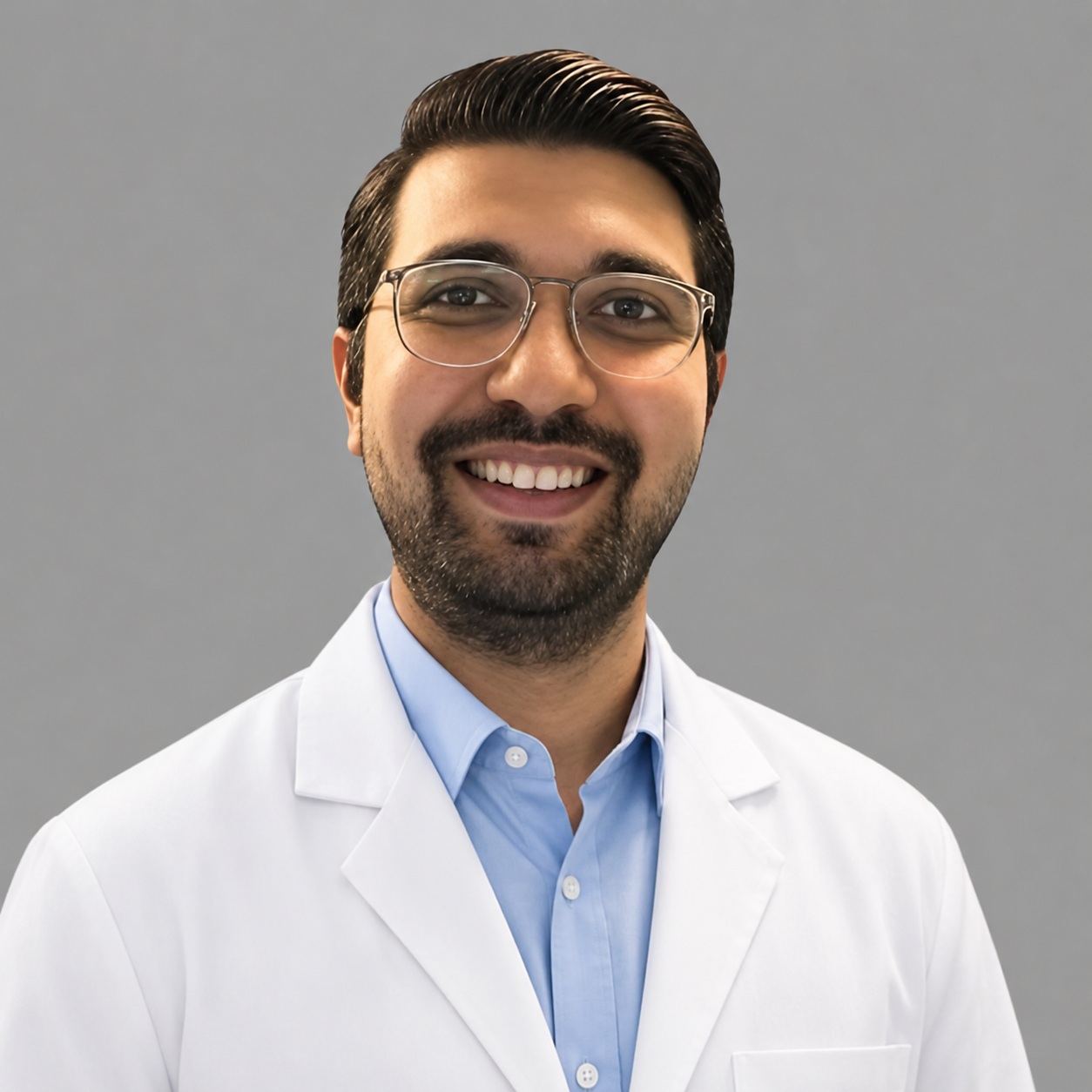
Dr. Ankit Shah Neurosurgeon in Vadodara is a super-specialist consultant with more than 8 years of experience in neurosurgery, practising at Marengo Asia Hospitals. He holds an MBBS, an MS in General Surgery, and an MCh in Neurosurgery. His expertise is in brain surgery, and he has specialised training in minimally invasive neurosurgical techniques.
Qualifications
- MCh (Neurosurgery)
- MS (General Surgery)
- MBBS
Areas of Expertise
- Brain Surgery
- Minimally Invasive Neurosurgical Techniques
When to See a Neurosurgeon
A referral to Dr. Ankit Shah Neurosurgeon usually follows an expert assessment that suspects a problem that may need an operation. A neurosurgeon treats conditions of the brain and its coverings that may need surgery. These include brain tumours, bleeding in or around the brain after injury or a ruptured blood vessel, build-up of fluid in the brain, and some infections and abnormalities of the blood vessels. Not every brain condition needs surgery, and many are treated with medicines or monitoring.
Brain Tumours: Symptoms and Treatment
A brain tumour is an abnormal growth in or near the brain. Some are non-cancerous, and some are cancerous, and symptoms depend on the size and position. These may include headaches that are new or steadily worsening, seizures, weakness or numbness, changes in vision or speech, memory or personality changes, and persistent nausea or vomiting. Most headaches are not caused by tumours, so a scan is the only way to know. Treatment may involve surgery, radiotherapy, medicines or a combination, planned with other specialists.
Minimally Invasive Neurosurgery
Minimally invasive techniques aim to reach the problem through smaller openings, with less disturbance to healthy brain tissue. They may use fine instruments, endoscopes (thin camera tubes) and image guidance to plan and carry out the operation accurately. Potential benefits include less pain, a shorter hospital stay, and faster recovery, although the benefit depends on the condition. Not every patient or problem is suitable, and sometimes a conventional open operation is safer. Your surgeon will explain which approach suits you.
Head Injury: When It Is an Emergency
Any head injury with loss of consciousness, repeated vomiting, drowsiness, confusion, a seizure, weakness, severe headache, bleeding or clear fluid from the nose or ears, or a deep wound or dent in the skull needs emergency care. Take the person to the nearest emergency department at once. Do not give food or drink, keep the head and neck steady, and do not remove a helmet unless trained to do so. Symptoms can sometimes appear hours after an injury, so watch closely for a day or two.
Sudden Severe Headache and Brain Bleeds
A sudden, severe headache, often described as the worst of one's life, especially with vomiting, drowsiness, stiff neck, weakness or collapse, can signal bleeding in the brain. This is a medical emergency. Call for help straight away and do not wait to see if it settles. Scans can confirm the cause quickly, and prompt treatment may require surgery. Controlling blood pressure and avoiding tobacco lower the risk of such bleeds.
Before and After Brain Surgery
Before surgery, your surgeon explains the reason for the operation, the expected benefits, the risks, and the alternatives. You will have scans and blood tests, and your anaesthetist will review your health. Afterwards, patients are closely monitored, and recovery may include physiotherapy or other rehabilitation. Report severe headache, repeated vomiting, fever, weakness, confusion, a seizure, or discharge from the wound promptly. Attend all follow-up visits, since scans and reviews guide the next steps.
Finding a Neurosurgeon in Vadodara
When looking for a neurosurgeon in Vadodara, check the doctor's qualifications and years of practice, which are listed on this page. An MCh in Neurosurgery is a super-specialty qualification in the field. Ask why surgery is advised, whether alternatives exist, what the risks are, and how recovery will go. A second opinion before a major operation is reasonable, and a good surgeon welcomes it.
Preparing for Your Consultation
Bring all earlier MRI and CT scans, reports and prescriptions, together with a list of every medicine you take, especially blood thinners. Note your symptoms, when they began, and how they have changed. Mention previous illnesses, operations and allergies. Bring a family member who can listen, take notes, and help you remember the discussion.
Appointments With Dr. Ankit Shah
Wondering whether you need a surgical opinion? Dr. Ankit Shah Neurosurgeon in Vadodara sees patients at Marengo Asia Hospitals from Monday to Friday, between 6:00 PM and 7:00 PM. As the slot is short, contact the hospital in advance and bring your scans and reports so that the first discussion can start with the full picture.
```