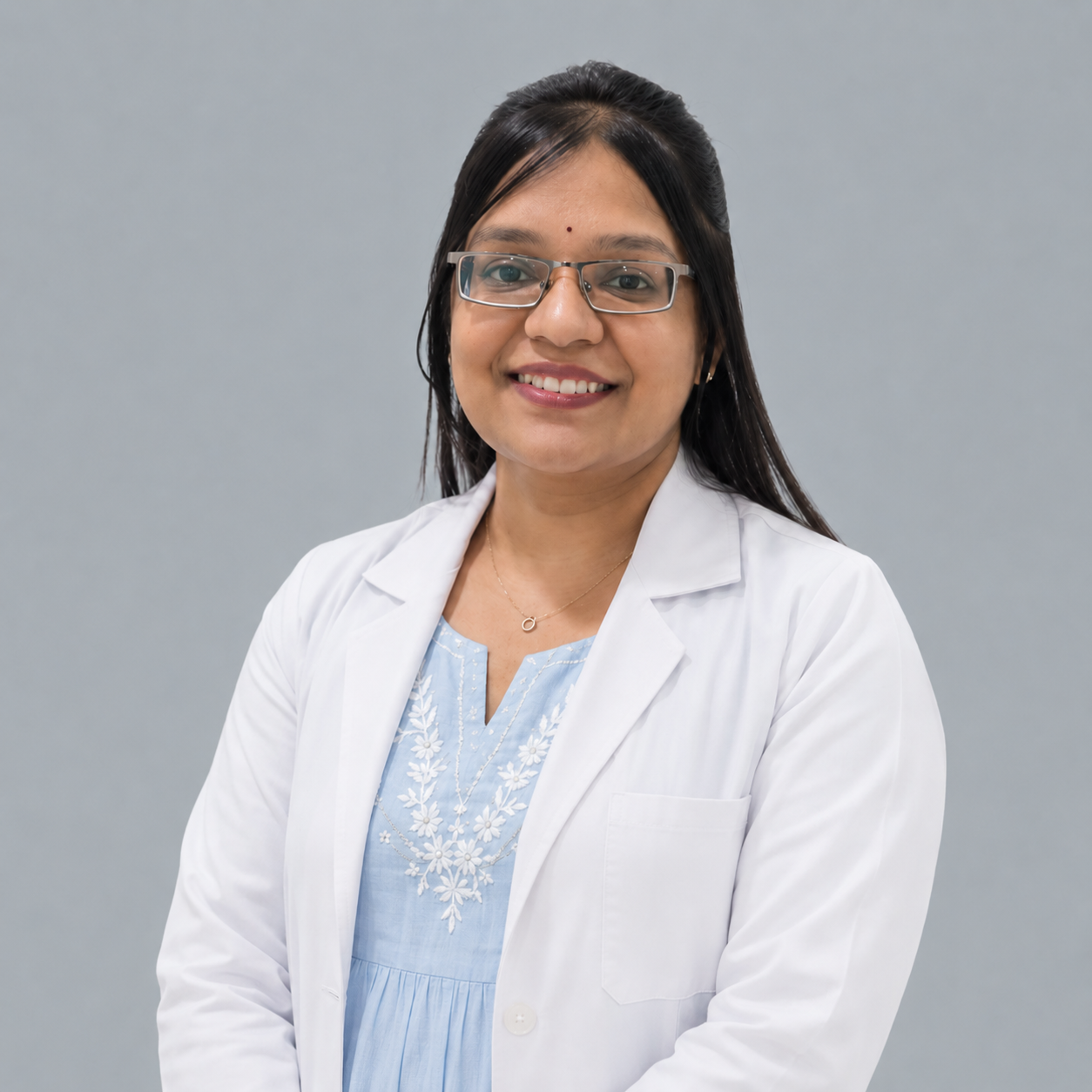
Dr. Ani Shah General Physician in Vadodara is a senior consultant with more than 7 years of experience in general and internal medicine, practising at Marengo Asia Hospitals, Vadodara. She holds an MBBS and an MD in Medicine. Her work covers complex multi-system cases, including geriatric medicine and acute medical emergencies, with an emphasis on preventive healthcare and personalised treatment plans.
Qualifications
Areas of Expertise
- Complex Multi-System Internal Medicine Cases
- Geriatric Medicine
- Acute Medical Emergencies and Critical Cases
- Preventive Healthcare
What a General Physician Treats
A consultation with Dr. Ani Shah General Physician is often the first step for adults with a health concern. Internal medicine deals with the diagnosis and non-surgical treatment of illness in adults, from infections, fever, and digestive complaints to diabetes, high blood pressure, thyroid disorders, and kidney, lung, and heart conditions. When a problem needs a specialist or a procedure, the physician coordinates referral and follows your progress.
Complex Illness Affecting More Than One Organ
Some patients have several conditions at once, such as diabetes with heart and kidney disease, or an infection on top of a long-term illness. These cases are harder to manage because treating one problem can affect another, and medicines may interact. An internal medicine specialist looks at the whole picture, reviews all medicines together, and plans treatment so that each decision fits the rest. Bring a full list of medicines and all earlier reports to the visit.
Looking After Older Adults: Geriatric Medicine
Ageing brings changes in how the body responds to illness and medicines. Older adults often have several long-term conditions, take many medicines and are at risk of falls, confusion, poor appetite and weakness. Geriatric care aims to keep people independent and comfortable. It reviews medicines regularly, checks balance, memory, vision, hearing, and nutrition, and gives vaccinations as advised. Tell the doctor about any recent falls, sudden confusion, changes in appetite or sleep, and difficulty with daily tasks.
Medical Emergencies: Signs Not to Ignore
Some conditions need urgent attention. Go to the nearest emergency department at once for chest pain or pressure, severe breathlessness, sudden weakness or numbness on one side, difficulty speaking, sudden confusion, fainting, a seizure, vomiting blood, black stools, very high fever with stiffness of the neck, or severe abdominal pain. Do not drive yourself, and bring the patient's medicines and reports if you can. Quick treatment can limit damage and save lives.
Fever, Infection and Everyday Illness
Most fevers settle within a few days, but see a doctor if a fever lasts more than three days, is very high, or comes with a rash, severe headache, persistent vomiting, breathlessness or confusion. In the monsoon season, fevers from dengue, malaria and typhoid are common, and they need proper tests rather than self-treatment. Drink plenty of fluids, rest, and avoid taking antibiotics without advice.
Preventive Healthcare and Health Check-Ups
Preventive care aims to catch problems early. A check-up may include blood pressure, blood sugar, cholesterol, thyroid, kidney, and liver tests, along with advice on diet, exercise, sleep, and stress. Adults over 40, and those with a family history of diabetes, heart disease or cancer, benefit from regular screening. Vaccinations, such as those for flu and pneumonia, may also be advised for some people. Ask your doctor which checks suit your age and risk factors.
Finding a General Physician in Vadodara
When you look for a general physician in Vadodara, check the doctor's qualifications and years of practice, which are listed on this page. Choose someone who listens, explains the diagnosis in plain language, and tells you what to watch for after you go home. Ask how follow-up will work, especially if you have a long-term condition. A second opinion for a serious diagnosis is reasonable.
Preparing for Your Consultation
Bring earlier reports, prescriptions, and a list of every medicine and supplement you take. Note your symptoms, when they began, and what makes them better or worse. Mention allergies, previous illnesses and operations, and family history. For older patients, a family member who knows the history can help.
Meet Dr. Ani Shah
Her OPD runs Monday to Saturday, from 10:00 AM to 12:30 PM and from 5:00 PM to 7:00 PM, at Marengo Asia Hospitals, Vadodara. If you are looking for a consultation with Dr. Ani Shah General Physician in Vadodara, arrange your visit through the hospital and bring your reports and prescriptions.