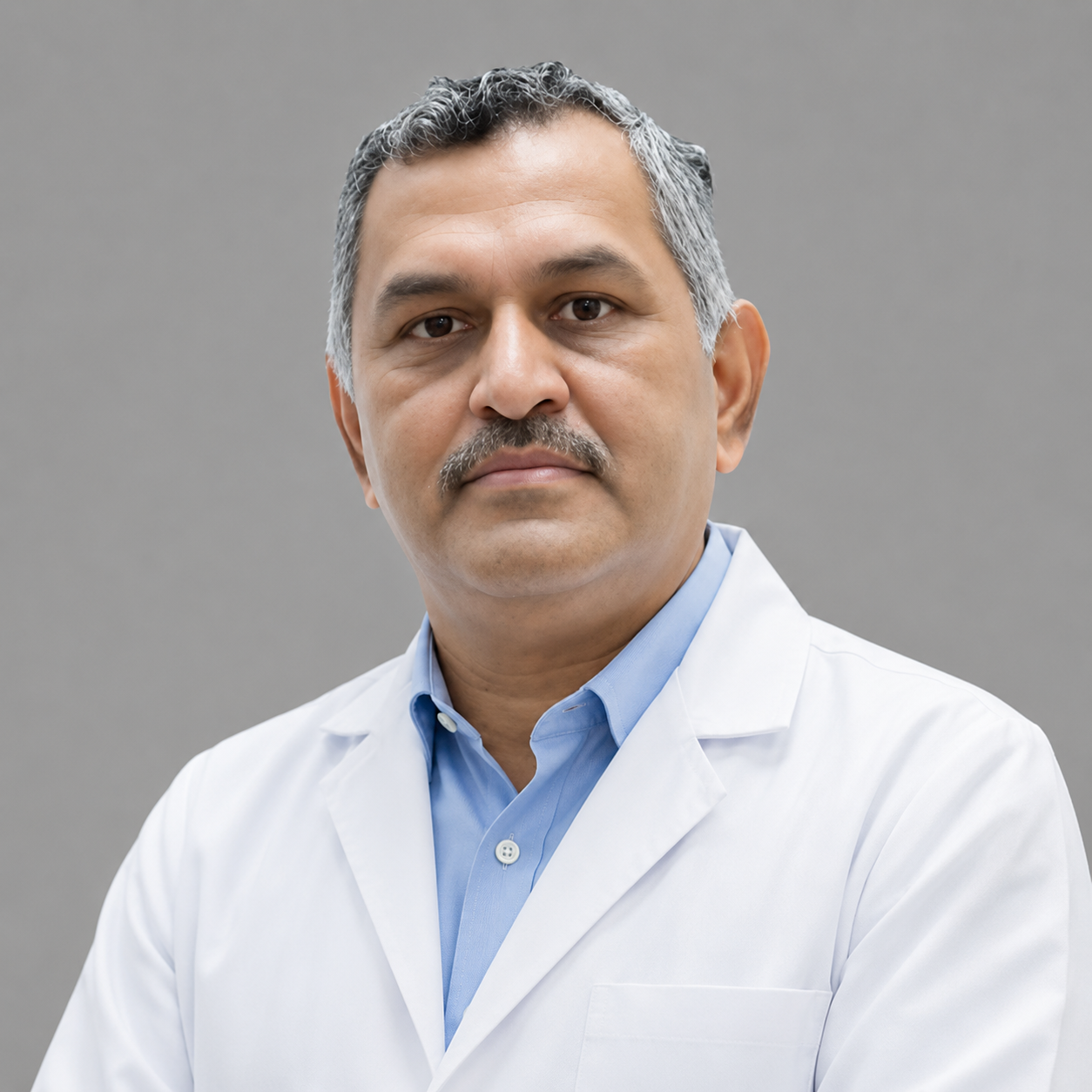
Dr. Ambar Limaye General Physician in Vadodara is a senior consultant with more than 25 years of experience in internal medicine, practising at Marengo Asia Hospitals. He is a gold medallist in both his MBBS and his MD in Medicine, and he has treated more than 50,000 patients to date. His care is built around a thorough diagnosis, a holistic approach, and a good working relationship between doctor and patient.
Qualifications
- MD (Medicine), Gold Medallist
- MBBS, Gold Medallist
Areas of Expertise
- Internal Medicine
- Holistic, Patient-Centred Care
Diabetes: Spotting It Early and Keeping It Controlled
Diabetes is a long-term condition in which blood sugar stays higher than normal. Warning signs include increased thirst, frequent urination, tiredness, blurred vision, slow-healing wounds, and unexplained weight loss, though many people have no symptoms at first. A consultation with Dr. Ambar Limaye General Physician includes a review of your blood sugar results, medicines, diet, and activity. Good control lowers the risk of complications in the eyes, kidneys, nerves and heart, so regular tests and follow-up matter.
High Blood Pressure: The Silent Condition
High blood pressure often causes no symptoms, yet over time it strains the heart, blood vessels, kidneys and brain. Regular checks are the only reliable way to find it. Management combines less salt, a healthy weight, regular activity, limited alcohol, no tobacco and, where needed, medicines taken as prescribed. Never stop blood pressure medicines on your own because you feel well. Severe headache, chest pain, breathlessness or sudden weakness needs emergency care.
Thyroid Problems, Cholesterol and Lifestyle Illness
The thyroid gland controls metabolism, and an underactive or overactive gland can cause tiredness, weight changes, mood changes, feeling too cold or too hot, and changes in the heartbeat. A blood test confirms the diagnosis. High cholesterol also causes no symptoms but raises the risk of heart disease and stroke. Together with diabetes and high blood pressure, these conditions are often linked to diet, activity, sleep, and stress, and managing them together gives better results than treating each in isolation.
Persistent Tiredness, Weight Change and Other Vague Symptoms
Tiredness, unexplained weight loss or gain, poor appetite, recurring fevers, dizziness or aches that do not go away can have many causes, from anaemia and thyroid problems to infections and long-term illness. A careful history, an examination and a few well-chosen tests often find the reason. Note when the symptoms began, what makes them better or worse, and any changes in sleep, diet or stress, since these details help the doctor.
The Value of Long-Term Follow-Up
For long-term conditions, regular follow-up with the same doctor makes a difference. A physician who knows your history can spot small changes early, adjust medicines before problems develop, and avoid duplicate tests. Keep a record of your readings, such as blood pressure and blood sugar, bring all your medicines to each visit, and attend reviews even when you feel well. Do not delay if new symptoms appear.
Finding a General Physician in Vadodara
When you look for a general physician in Vadodara, check the doctor's qualifications and years of practice, which are listed on this page. Choose someone who listens, explains the diagnosis in plain language, and tells you what to watch for after you go home. Ask how follow-up will work, and consider a second opinion for a serious diagnosis.
Preparing for Your Consultation
Bring earlier reports, prescriptions, and a list of every medicine and supplement you take. Note your symptoms, when they began, and what makes them better or worse. Mention allergies, previous illnesses and operations, and any family history of diabetes, heart disease or cancer. If you are older or unwell, bring a family member who can help you remember the advice.
Consultation Days With Dr. Ambar Limaye
His OPD at Marengo Asia Hospitals, Vadodara, is held on Tuesdays and Thursdays, from 10:00 AM to 11:00 AM and from 4:00 PM to 5:00 PM. To arrange a visit with Dr. Ambar Limaye General Physician in Vadodara, contact the hospital in advance and bring your reports and prescriptions.