Overview :
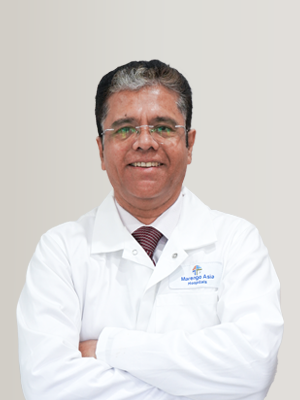
Dr. Alok Narang is a Surgical Oncologist with more than 20 years of experience, treating cancers of the breast, head and neck, digestive system, liver and bile ducts, women’s reproductive organs, bones and soft tissues, and the lining of the abdomen. A graduate of Armed Forces Medical College (AFMC), Pune, he completed his MS in General Surgery at Army Hospital (R&R), New Delhi, and trained in surgical oncology at Rajiv Gandhi Cancer Institute and Research Centre, New Delhi. If you are looking for Surgical Oncologist Dr. Alok Narang in Faridabad for a new diagnosis or a second opinion, he plans treatment around a multidisciplinary approach, with personalised, evidence-based care for each patient.
Qualifications and Training
- MBBS: Armed Forces Medical College (AFMC), Pune
- MS (General Surgery): Army Hospital (R&R), New Delhi
- Surgical Oncology training: Rajiv Gandhi Cancer Institute and Research Centre, New Delhi
Areas of Expertise
Head and Neck Oncology
Surgery for cancers of the mouth, throat, voice box, thyroid and related areas, where the aim is to remove the cancer while protecting speech, swallowing and appearance as far as possible.
Breast Oncology and Oncoplasty
Breast cancer surgery, including oncoplasty, which combines cancer removal with plastic surgery techniques so the breast keeps a natural shape wherever possible.
Gastrointestinal and Hepatobiliary Oncology
Surgery for cancers of the digestive system, and of the liver and bile ducts.
Gynaecological Oncology
Surgery for cancers of the cervix, uterus, ovary, vagina and vulva.
Peritoneal Surface Malignancies and HIPEC
Treatment for cancers that have spread along the lining of the abdomen, including hyperthermic intraperitoneal chemotherapy (HIPEC).
Genitourinary Oncology
Surgery for cancers of the urinary tract and male reproductive organs.
Musculoskeletal Oncology
Surgery for tumours of the bones and soft tissues.
Thoracic Oncology
Surgery for cancers inside the chest, such as those of the lung and its surroundings.
Work Experience
- Consultant, Surgical Oncology: Indraprastha Apollo Hospital, Sarita Vihar, New Delhi
- Principal Consultant, Surgical Oncology: Max Super Speciality Hospital, Patparganj, New Delhi
- Associate Consultant, Surgical Oncology: Action Cancer Hospital, New Delhi
- DNB Trainee and Clinical Associate, Surgical Oncology: Rajiv Gandhi Cancer Institute, New Delhi
A Multidisciplinary Approach to Cancer Care
Cancer treatment works best when specialists plan together. Dr. Alok Narang strongly advocates a multidisciplinary approach, in which the surgeon, medical oncologist, radiation oncologist, pathologist, and radiologist review each case together, so the patient receives one coordinated plan instead of a series of separate opinions.
Professional Memberships
- Indian Association of Surgical Oncology (Life Member)
- Indian Society of Oncology (Member)
- Oncology Forum (Member)
What Does a Surgical Oncologist Do?
A surgical oncologist is a surgeon trained specifically to operate on cancer. They decide which tissue to remove, how to remove it safely, and how to restore function afterwards. Surgery may be the main treatment or one part of a plan that also includes chemotherapy or radiotherapy, and the surgeon works with the rest of the cancer team to choose the order of treatment.
When Is Surgery Used to Treat Cancer?
Surgery may be used to remove a tumour completely, to take a sample for diagnosis, to find out how far a cancer has spread, or to relieve symptoms when a cure is not possible. For some cancers, surgery comes first. For others, chemotherapy or radiotherapy is given beforehand to shrink the tumour. The right order depends on the type and stage of the cancer, and your team will explain the reasoning.
Head and Neck Cancers
Head and neck cancers include cancers of the mouth, tongue, throat, voice box and thyroid. Tobacco and alcohol are major risk factors. These cancers often cause visible or noticeable symptoms, such as a mouth ulcer that does not heal, a lump in the neck, or a hoarse voice, so early assessment can lead to treatment that preserves speech and swallowing.
Breast Cancer and Oncoplasty
Breast-conserving surgery removes the cancer and a margin of normal tissue while keeping the breast. Oncoplastic techniques reshape the breast at the same time, which can improve the cosmetic result. Whether they suit you depends on the size and position of the tumour and the size of the breast, and your surgeon will explain your options.
Gastrointestinal and Liver Cancers
Cancers of the stomach, food pipe, colon and rectum can cause persistent indigestion, difficulty swallowing, blood in the stool, a change in bowel habits or unexplained weight loss. Cancers of the liver and bile ducts can cause jaundice and abdominal discomfort. Surgery is often central to treatment, usually combined with other therapies, and complex liver and bile duct operations need specialised planning.
Gynaecological Cancers
Cancers of the cervix, uterus, ovary, vagina and vulva can cause abnormal bleeding, pelvic pain, unusual discharge or a feeling of fullness in the abdomen. Regular screening, such as cervical screening, can catch some of these early. Treatment may combine surgery with other therapies, planned by a team.
HIPEC: Heated Chemotherapy Inside the Abdomen
HIPEC is used for selected patients with cancers that have spread within the abdominal cavity, such as some ovarian, colorectal and appendix cancers. After the surgeon removes visible tumours, the abdomen is bathed in heated chemotherapy to treat microscopic disease. It is a major procedure, suitable only for carefully selected patients, and the team will explain whether it applies to your case.
Musculoskeletal and Thoracic Cancers
Tumours of the bones and soft tissues need specialised care, and the aim is often to remove the tumour while preserving the limb and its function. Cancers inside the chest need careful assessment with scans before the best approach is chosen. In both cases, a team approach helps the surgeon plan the safest operation.
Getting a Second Opinion Before Cancer Surgery
A cancer diagnosis often comes with pressure to decide quickly. Seeking a second opinion is a reasonable and common step, and a good doctor will support it. It can confirm the diagnosis, the stage, and the proposed plan, or suggest another option. Bring all your reports so the second surgeon can review them properly.
Recovery After Cancer Surgery
Recovery depends on the type of operation, but most patients stay in hospital for a short period, with pain relief, wound care and early movement. Your surgeon will explain what to expect, how to care for the wound, when to restart normal activities, and what follow-up is needed. Report fever, unusual pain, redness, or discharge from the wound promptly.
Looking for a Surgical Oncologist in Faridabad? Warning Signs to Know
See a doctor if you notice:
- A lump or swelling that persists or keeps growing
- A sore, ulcer or patch that does not heal within a few weeks
- Unexplained weight loss or ongoing tiredness
- Unusual bleeding, such as in the stool, urine or between periods
- Difficulty swallowing, persistent hoarseness or a cough that does not go away
- A change in the breast, such as a new lump, nipple change or skin change
- Pain that has no clear cause and does not settle
Most of these symptoms are caused by conditions other than cancer, but only an examination can tell the difference.
Cancer Screening and Early Detection
Screening tests look for cancer or pre-cancer before symptoms appear, when treatment is usually simpler, and the outlook is better. Common examples include checks for cancers of the breast, cervix and mouth, and colorectal screening. The right tests depend on your age, sex, family history, and risk factors, so ask your doctor which ones suit you.
Preparing for Your Consultation
If you have searched for a Surgical Oncologist near me in Faridabad, a little preparation will help you get the most from your first visit. Bring your biopsy and pathology reports, scans, endoscopy reports, previous treatment records, and a list of your current medicines. Note your symptoms and questions beforehand, and consider bringing a family member who can listen and take notes. A clear picture of your history helps the surgeon plan treatment more accurately.
Book a Consultation with Dr. Alok Narang
If you have been diagnosed with cancer, or have a lump or finding that needs a surgeon’s opinion, you can consult Dr. Alok Narang at Marengo Asia Hospitals in Faridabad. For families looking for a surgical oncologist nearby, an early and unhurried conversation about the diagnosis and the options can make a frightening time easier to face. His OPD runs Monday to Saturday, 9:00 AM to 5:00 PM.